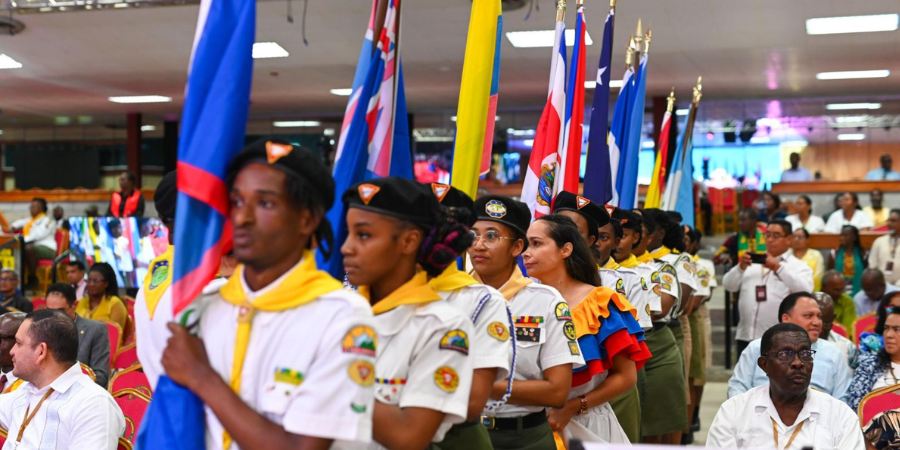
The University of the Southern Caribbean (USC) welcomed church leaders, mission specialists, educators, pastors, and delegates from around the world as it hosted the inaugural Intercultural Mission and Church Planting Summit from May 27 – 30, 2026. The four-day gathering marked the first event of its kind within the Inter-American Division (IAD) of the Seventh-day Adventist Church and positioned USC at the center of important conversations about global mission, church planting, and intercultural engagement.
Organized through a collaborative effort involving USC, the Caribbean Union Conference, the South Caribbean Conference, the Inter-American Division, Adventist Mission, and the General Conference of Seventh-day Adventists, the summit brought together a diverse group of leaders and practitioners committed to advancing mission among increasingly multicultural and globally connected communities.
Participants represented multiple regions of the world and included General Conference President Dr. Erton Köhler, Inter-American Division President Dr. Abner De Los Santos, Caribbean Union Conference President Dr. Kern Tobias, Global Mission leaders, union and conference administrators, educators, and church planting specialists. Their presence reflected the growing importance of intercultural ministry and the church’s commitment to reaching diverse populations across geographical and cultural boundaries.
A highlight of the summit was the first official visit of General Conference President Dr. Erton Köhler to Trinidad and Tobago. During his visit, Dr. Köhler joined regional leaders and delegates in emphasizing the importance of mission, collaboration, and strategic engagement with communities around the world.
Throughout the summit, presentations explored ministry opportunities among a wide range of cultural and religious groups, including urban populations, indigenous communities, and people groups with limited exposure to Christianity. Leaders shared experiences, strategies, and testimonies designed to equip church members and institutions to engage more effectively in mission across cultural contexts.
For USC, hosting the summit represented more than a successful event; it underscored the University’s growing role as a regional center for mission training, leadership development, and intercultural engagement. The gathering aligned closely with USC’s Strategic Plan-100 priorities, particularly its commitment to strengthening global partnerships, expanding institutional impact, and preparing graduates for service in an increasingly interconnected world.
The summit also provided a platform for meaningful collaboration between educational and church leaders as they explored new opportunities to strengthen mission-focused initiatives throughout the Inter-American Division and beyond.
As USC approaches its centennial celebration in 2027, the successful hosting of the Intercultural Mission and Church Planting Summit serves as another milestone in the institution’s ongoing commitment to service, leadership, and mission. By bringing together global church leaders and mission practitioners for dialogue, training, and collaboration, USC continues to strengthen its position as a key contributor to the future of mission in the Caribbean and across the wider Adventist Church.