
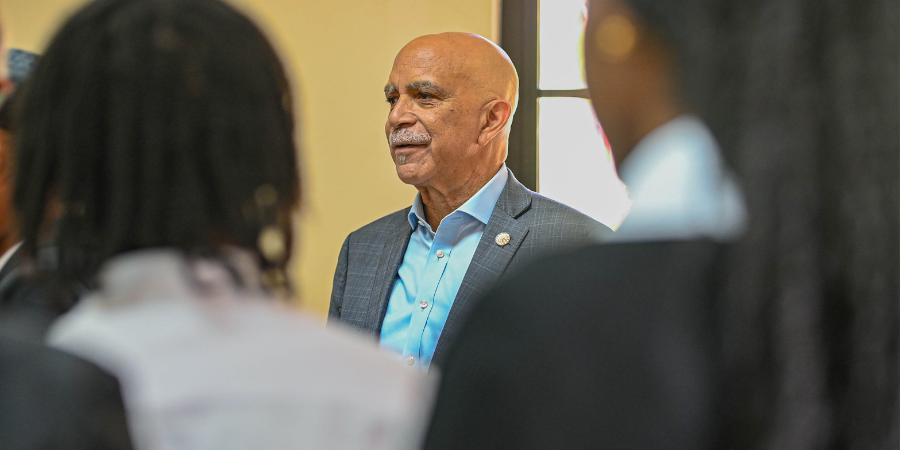
On March 26, the classroom gave way to something closer to a boardroom. There were no case studies, no hypotheticals; only the lived realities of an industry still recalibrating after global disruption.
Hosted by students enrolled in HSTM 470: Contemporary Issues in the Hospitality & Tourism Industry, the special forum functioned as both a masterclass and an industry briefing. It brought students into direct conversation with executives navigating the field in real time.
Four general managers, representing a cross-section of Trinidad and Tobago’s hotel landscape, engaged not as distant figures but as practitioners. They offered a clear view into the daily decisions that shape risk, service, sustainability, and leadership in a sector defined by constant change.
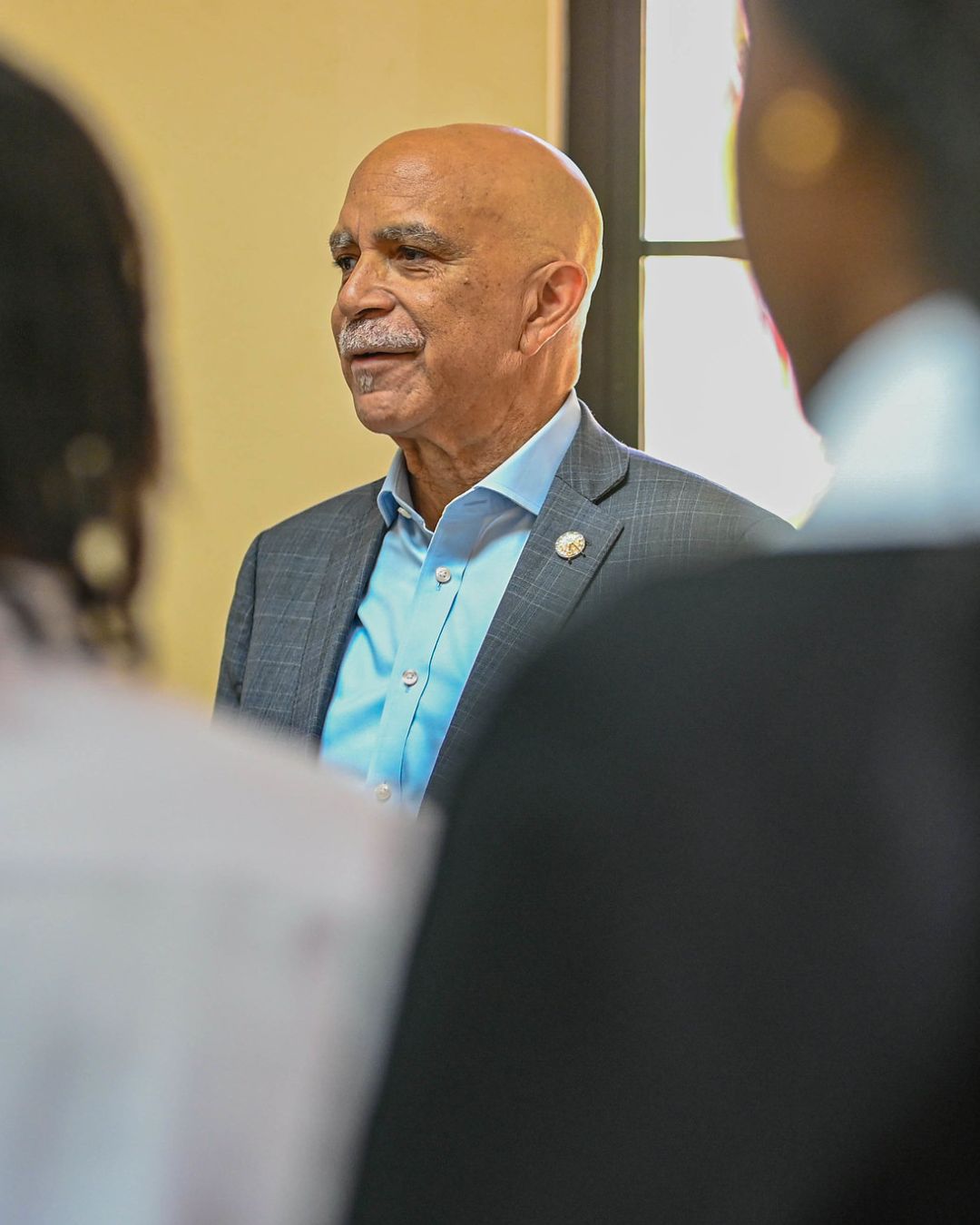
The Business of People
Mr. Micheal Hooper, General Manager of Hyatt Regency Trinidad, framed his presentation, Leadership in Globalisation and Hospitality, around a central truth: leadership in hospitality begins and ends with people.
He underscored the need for deliberate workforce training and strong leadership pipelines. Sustained success, he noted, depends on investing in people while aligning service culture with global standards. This ensures that locally delivered experiences consistently meet international expectations.
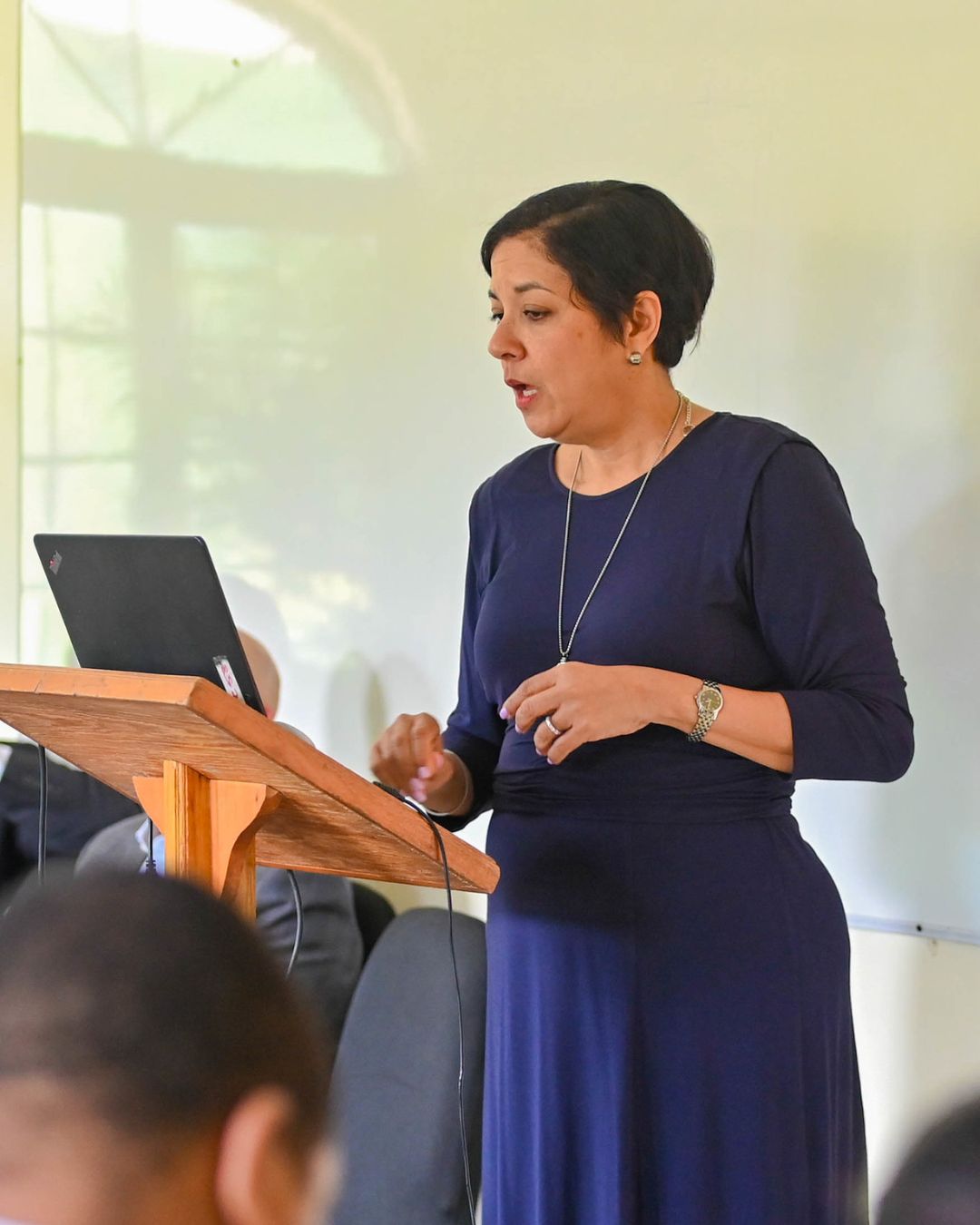
Personalization as Currency
Ms. Nicol Khelawan, General Manager of Courtyard by Marriott Trinidad, addressed Evolving Guest Expectations and Personalization, highlighting the growing demand for tailored guest experiences.
She outlined the strategies, systems, and staff-driven processes required to meet these expectations. Effective personalization, she explained, depends on anticipating and responding to individual guest needs with precision and consistency.
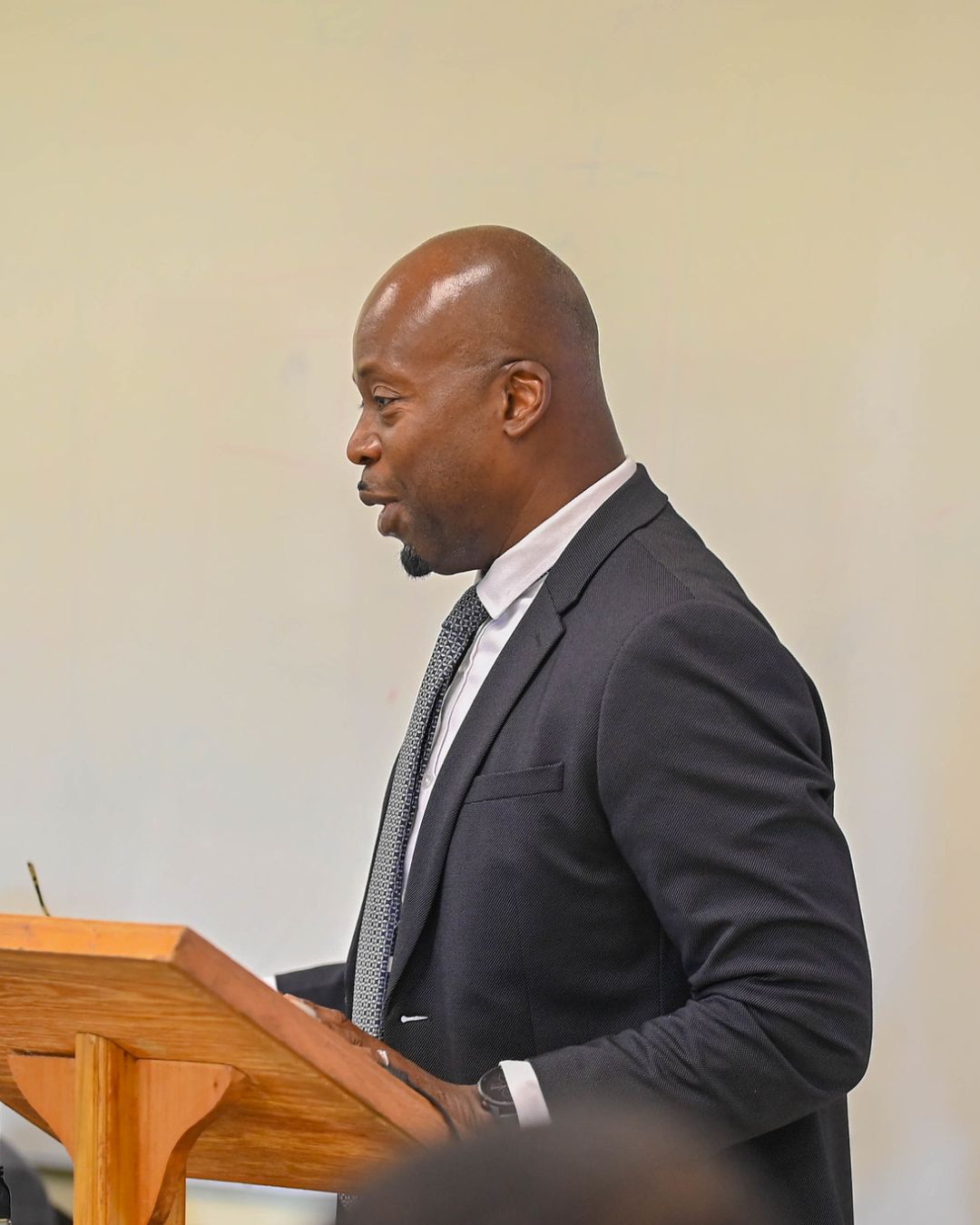
After the Shock
Mr. Hassel Thom, General Manager of Cara Hotel, addressed Crisis Management and Resilience – Post-Pandemic, reflecting on the industry’s response to COVID-19.
He outlined key initiatives implemented during and after the pandemic, with particular emphasis on staff welfare. Supporting employees, he noted, remains central to organisational resilience and recovery.
Profit and Preservation
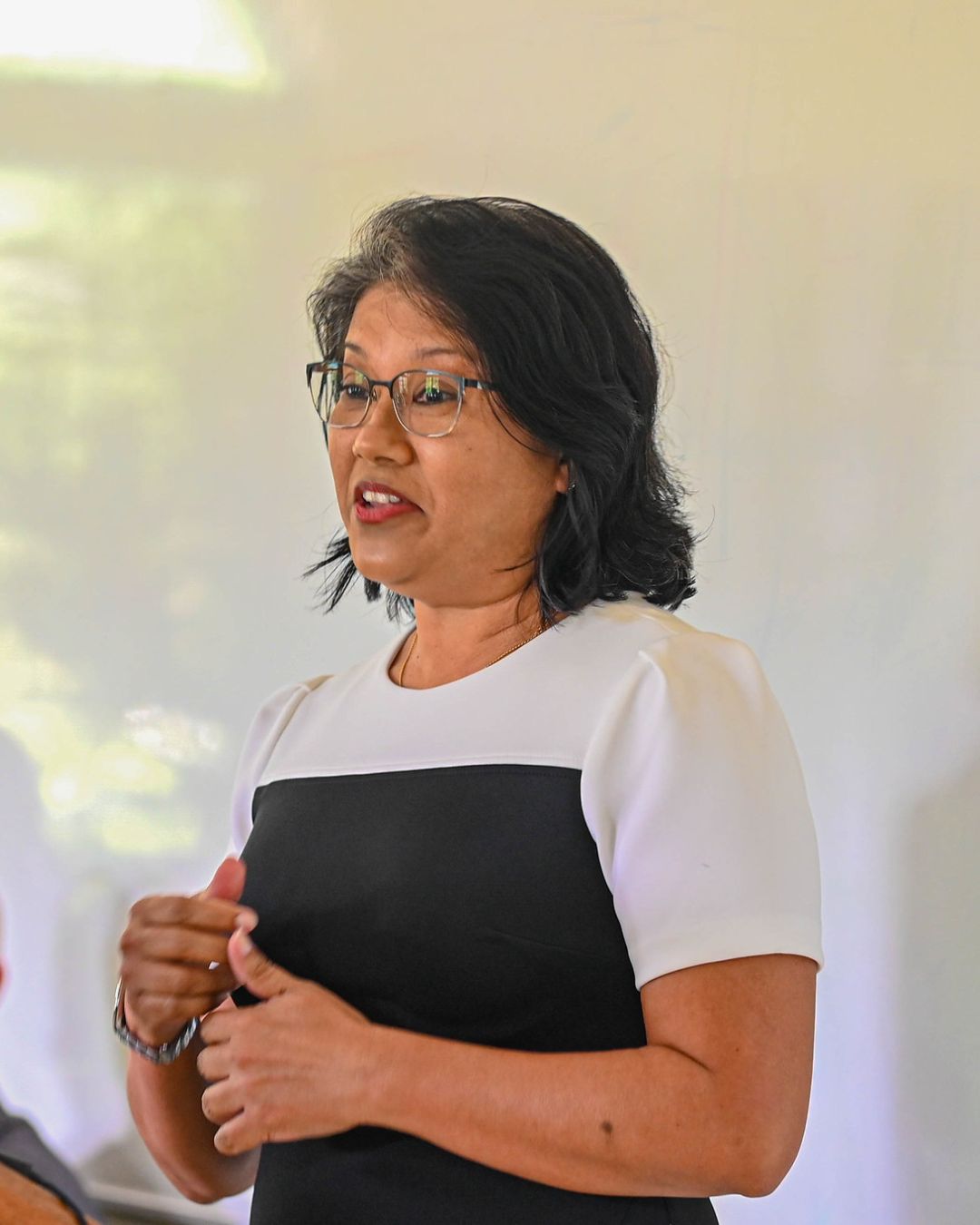
Ms. Maria Yip-John, General Manager of Comfort Inn & Suites Tobago, addressed Resort Management and Environmental Stewardship, focusing on the balance between profitability and environmental responsibility within Tobago’s tourism sector.
She highlighted sustainable practices and coastal preservation, underscoring the responsibility of hospitality operators to protect the natural environment while sustaining business performance.
Beyond the Lecture
The forum transitioned into a cocktail reception organized by the students. The atmosphere shifted from formal presentations to informal exchange, where structured insights blended with personal stories.
Each participating hotel presented signature dishes that highlighted local ingredients and culinary creativity. The displays reinforced the role of gastronomy in destination branding. In Trinidad and Tobago, food remains one of the most compelling expressions of place.
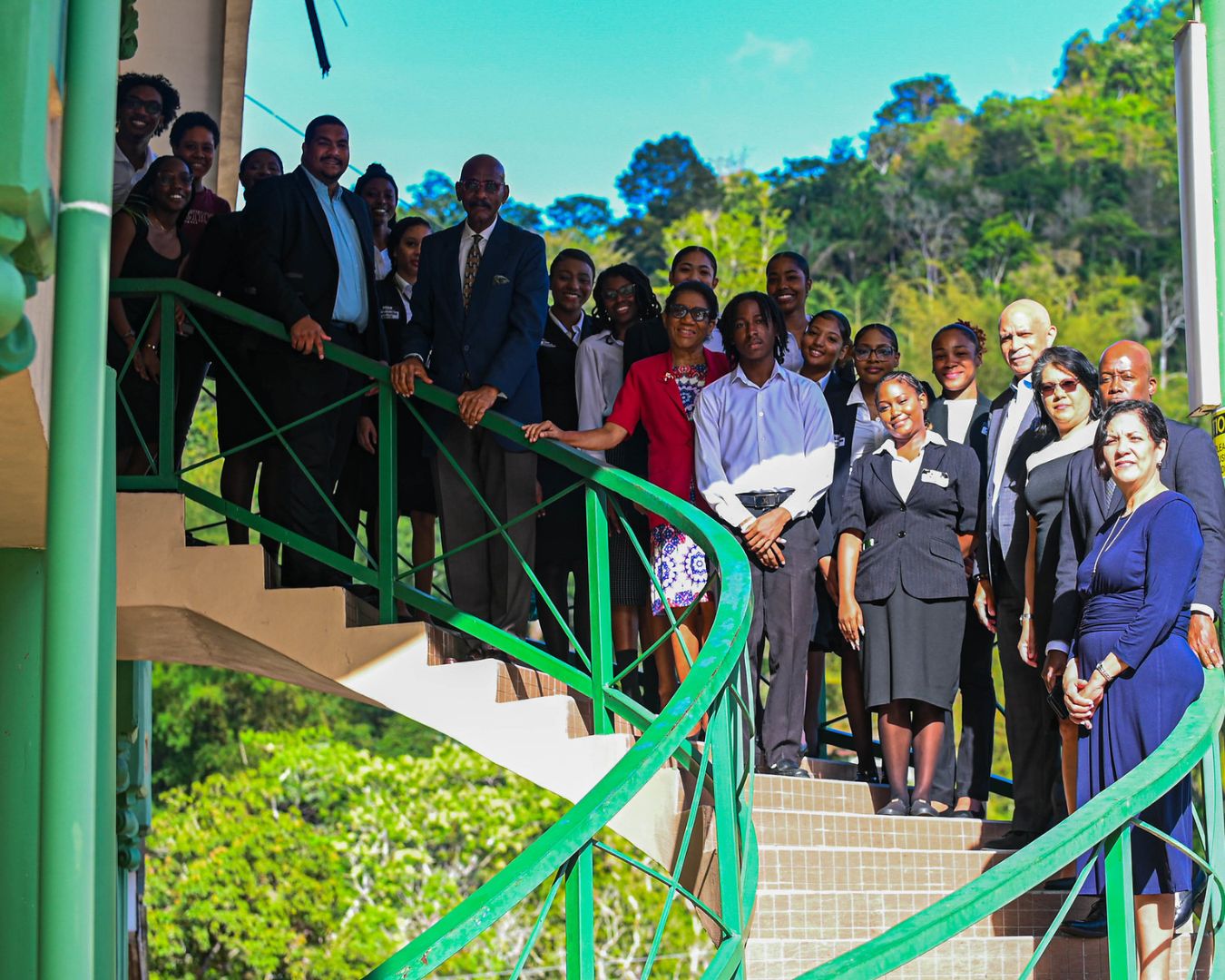
Students engaged directly with the executives, asking questions, exchanging contacts, and building connections. For many, it marked a first encounter with the industry as emerging professionals rather than observers.
A Classroom Reimagined
The HSTM 470 course is designed to bridge theory and practice, exposing students to the realities shaping contemporary hospitality. Following the forum, students left with a sharper understanding of what the industry demands: adaptability, critical thinking, and the ability to navigate competing priorities such as profit and sustainability, standardization and personalization, and efficiency and empathy.
The diversity of hotels represented, including urban, resort, boutique, and international chain properties, offered a comprehensive view of the sector. Students gained deeper insight into key issues such as sustainability, workforce development, and globalization.
More broadly, the initiative reinforced USC’s role as a hub for hospitality education, where academic learning meets industry engagement. Culinary showcases further highlighted local, plant-based food culture as a strategic tourism asset. The forum also strengthened partnerships with leading hotels, opening pathways for future collaboration, internships, and research.