
Returning to a university that helped shape his career, Professor Joseph brings an educator’s long view to the work of preparing USC for its second century.
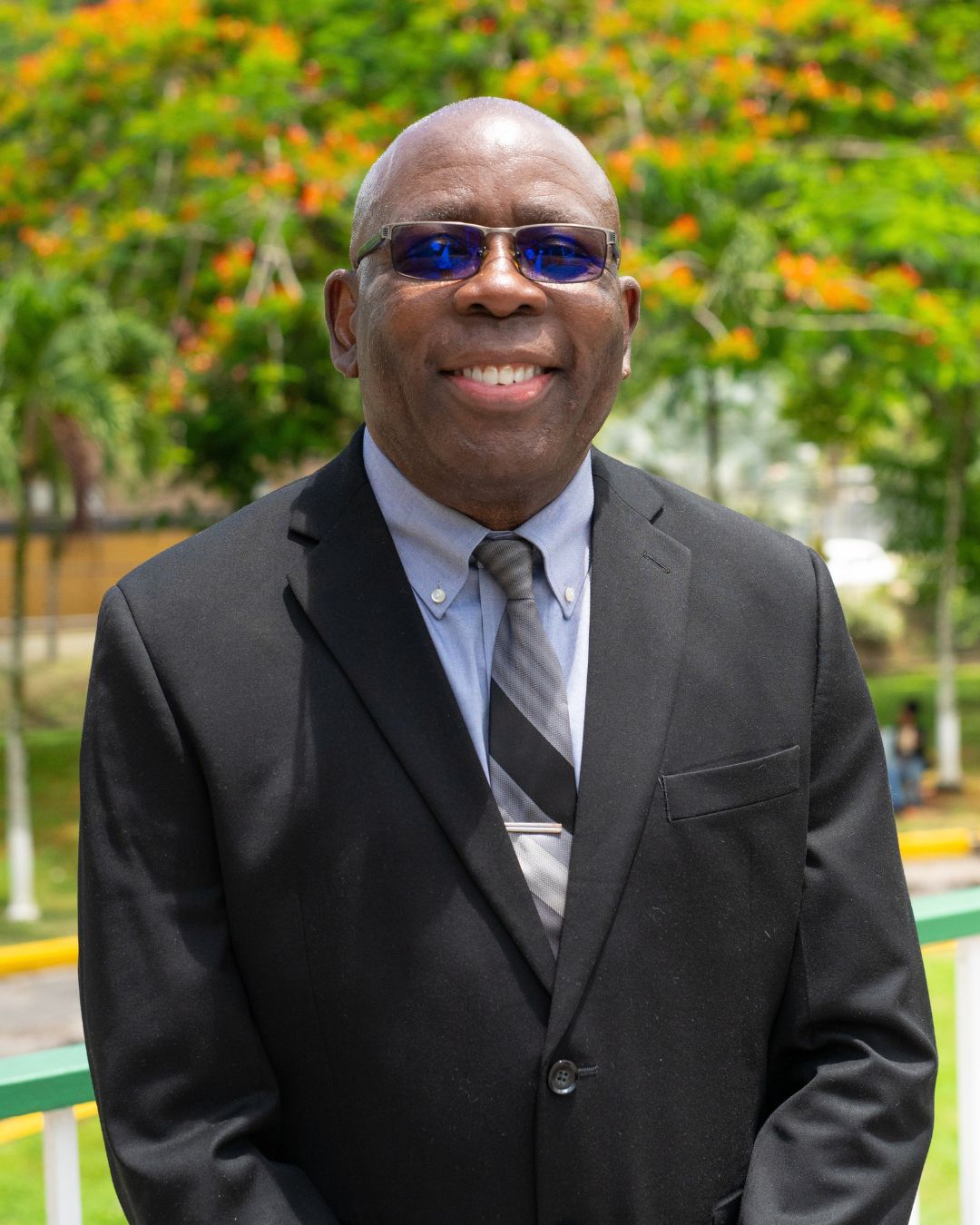
Professor Stephen Joseph has had the pleasure of watching former students become people others turn to for guidance. They lead in education, the church and public life now. He remembers an earlier chapter, when he was advising them at Caribbean Union College or coaching them for debating competitions.
Those encounters remain among the rewards of his fifteen years as a lecturer and Chair of the Department of History and Social Studies, from 1990 to 2005. Returning as Provost, he carries the memory of what an education here made possible, and a responsibility to help extend that opportunity.
“It feels like coming home, but this time with a heightened sense of responsibility,” he says.
Much has happened between his departure and return. There has been work in national education reform, a professorship and senior leadership at the University of Trinidad and Tobago, culminating in service as Acting President. Asked about a career stretching across more than four decades, Professor Joseph offers a brief, good-humoured assessment.
“Yes, I’m old.”
But his description of himself returns to the beginning: a secondary school classroom in 1979, teaching History and Music, “I still consider myself to be a teacher at heart.”
The classroom gave him a standard against which he continues to measure decisions made much further up the administrative ladder. Somewhere, beyond a policy or programme review, is a student whose experience should be better because of it. His career has supplied ample evidence that making that happen takes more than a well-written plan.
Through the Ministry of Education’s Secondary Education Modernisation Programme, Professor Joseph managed curriculum development, teaching and learning strategies, assessment and professional development. The resources were there, so were the plans. What mattered was whether the people responsible for implementation trusted the process and committed themselves to it.
That lesson stayed with him as his responsibilities widened at UTT. With two degrees in History and a PhD in Curriculum and Instruction, he progressed from Assistant Professor to full Professor of Curriculum and Instruction. He later served as Assistant Vice President for Undergraduate Programmes and Vice President for Research, Academic and Student Affairs before becoming Acting President.
Looking back, he is concerned with what survives a leader’s departure. He hopes the systems he helped build will last longer than his tenure.
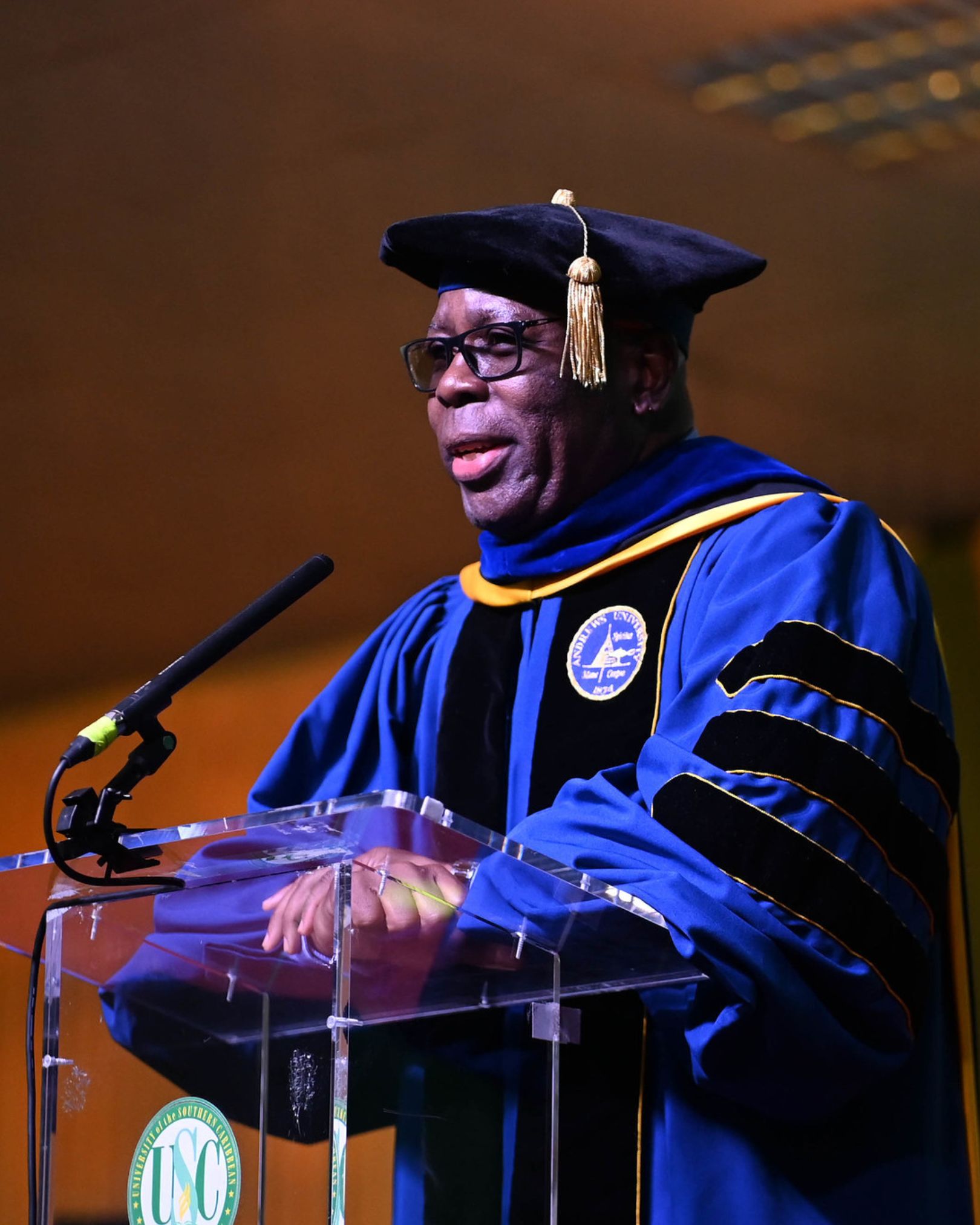
At USC, that long view begins with the patience to learn what is already here. Professor Joseph has been listening to different groups of staff and taking notes, and considering how the University’s values appear in daily practice. Familiarity with the institution’s past does not remove the need to understand its present.
He describes an initial sequence of three 30-day phases: listening, examining what he hears alongside policies and academic programmes, then agreeing on tangible priorities with the community. He is wary of arriving with changes that suggest everything before him lacked value. “You learn so much by just listening,” he says.
The Provost’s remit is substantial. As chief academic officer, Professor Joseph oversees academic quality, teaching and research, faculty development, quality assurance and accreditation. His explanation of the office, however, quickly moves from its authority to its usefulness.
For a school trying to improve a programme, that might mean clearer policies or a more effective review process. For a lecturer, it could mean support for research, recognition of excellent teaching or preparation for academic leadership. Unnecessary administrative hurdles should occupy less of everyone’s time.
Partnerships with industry, government, the church and other universities also have a place in his vision, connecting academic programmes to opportunities and needs beyond campus.
When he talks about students, his questions become especially concrete. Are we caring? Are we mentoring? If someone is falling behind, is peer tutoring available? If a student becomes discouraged, what helps that person recover?
Across four years, he observes, all sorts of things happen. A degree records an achievement, but it cannot fully describe the experience of reaching it. “How do you teach confidence?” he asks.
He places confidence within the “hidden curriculum”: what students learn through relationships, responsibilities and experiences that no course title quite captures. He has already noticed USC’s energetic campus culture, with activities that offer different kinds of students a way to participate.
The integration of faith and learning matters to him for similar reasons. Character and ethical judgement will accompany graduates into decisions for which their lecturers cannot supply an answer. He wants them to leave able to contribute to national development, with an understanding that their abilities matter.
Away from academic administration, Professor Joseph returns to music. Private study helped him enter the teaching profession when an initial application had found no opening. Music has remained with him through the degrees and executive appointments; he still serves as organist at his home church.
On weekends, he admits to spending hours listening to gospel music videos. “I just lose myself there.”
Exercise several times a week provides another regular commitment. He speaks about keeping healthy and fit with the same ease that punctuates his more serious reflections.
For the historian in him, USC’s 100th year represents generations of faith and sacrifice invested in Christian education in the Caribbean. Returning now means accepting a share of the work of carrying that inheritance forward.
He wants students to speak when something impedes their success. Faculty should know their ideas will receive a hearing, even when agreement does not follow. Staff should recognise their contribution to the conditions that make teaching and research possible.
The students he once advised have long since taken up responsibilities of their own. His attention now turns to those whose futures are still taking shape here.
“I am not proposing that we start over,” he says. “I am proposing that we build forward together.”