
USC’s new Dean of the School of Social Sciences brings a therapist’s ear, a teacher’s concern and an alumna’s long connection to the institution she now helps lead.
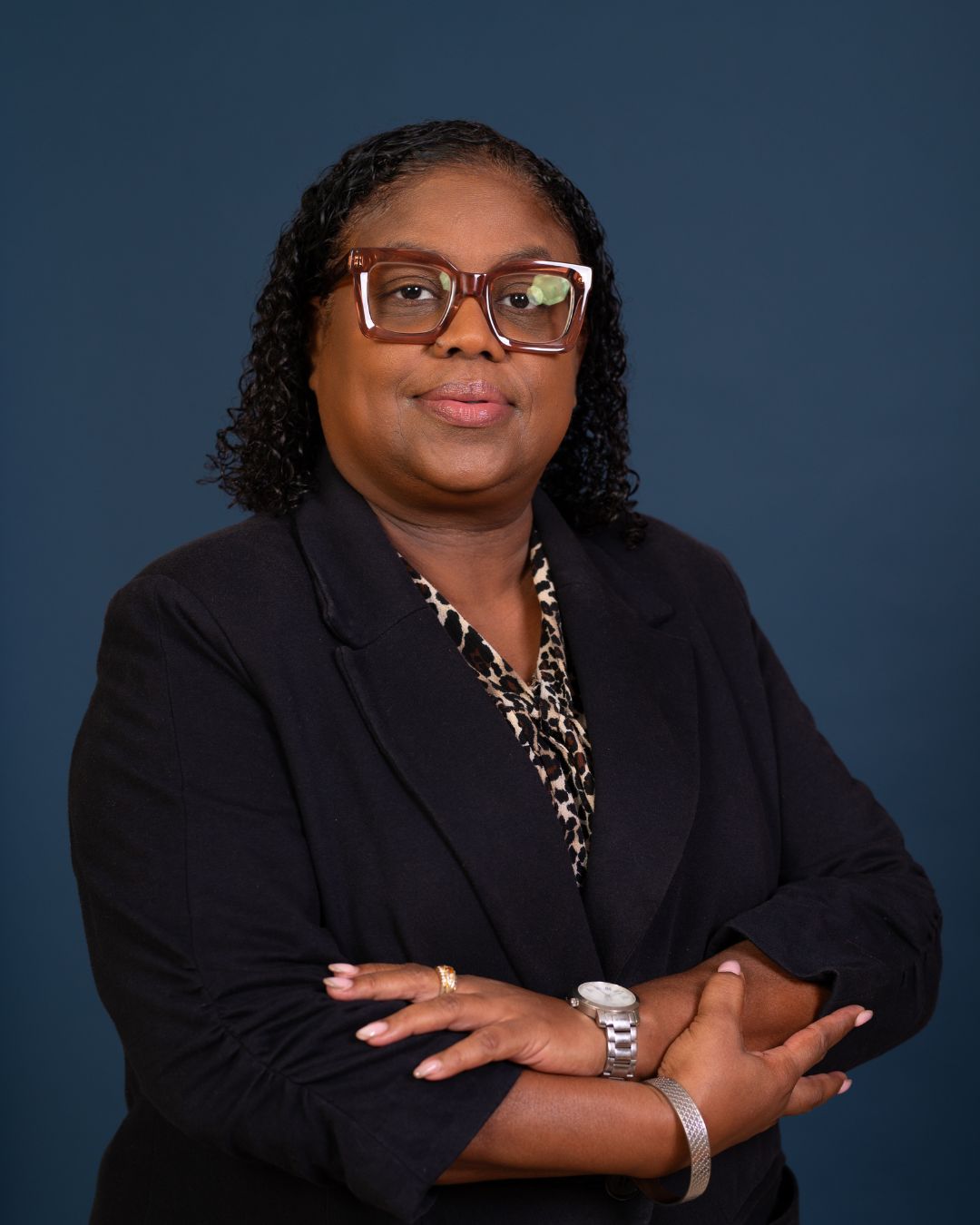
Ask Dr. Glenda Hinkson about her influence on students, and she gently adjusts the premise. She does not necessarily think of those exchanges as “impact”. Often, she says, they are simply conversations: another adult is working through something, and she is listening.
Later, when that student has made it through, she is content to watch from the back.
“I remember that student. I remember what they were going through,” she says, describing the thoughts she carries into such moments. “And I talked to them and that’s it. And I’m happy.”
The new Dean of USC’s School of Social Sciences is comfortable leaving the foreground to others. A marriage and family therapist whose career encompasses clinical practice, scholarship and teaching, she has spent years attending to what people reveal about their lives. Leadership brings broader responsibilities, but her starting point remains personal: What does this person need, and how can she help?
Having served as Social Work Department Chair and Acting Dean on several occasions, Dr. Hinkson knows the School from within. Her connection began much earlier, however, with a young woman who would have been astonished by the appointment. “I never wanted to go to college,” she recalls.
In Barbados, surrounded by a family invested in education, Dr. Hinkson had an altogether different ambition. She wanted to become a cashier, learn the business and open a bookstore. The attraction was straightforward: she could spend her days reading.
When her mother and aunts went shopping, she had her own arrangement. “When y’all are ready to leave, just come get me,” she would say, before finding a bookstore. An unfinished book could be hidden on a shelf and retrieved on the next visit.
Caribbean Union College offered less obvious appeal. Her older siblings had attended, and she had firm objections to the white dresses she had seen her sister wear. An uncle eventually found a persuasive argument: he would pay her to go.
Enrolment did not immediately produce direction. After general education courses, she returned to Barbados for a year. It took a call from Dr. Elvin Gabriel about CUC’s emerging behavioural science programme to bring her back.
The programme placed her in situations books alone could not prepare her for. Working with teenage mothers during a practicum, she confronted the distance between wanting to help and knowing how. Dr. Hinkson remembers wondering, “How am I going to help teenage mothers when I’m a teenager?”
Graduate study in counselling psychology in the United States brought a related puzzle. Adolescents in a group home received counselling, attended school and followed routines during the week. Some returned from weekends at home displaying the behaviours staff had been working to address. What, she wondered, were they returning to?
Family relationships and community circumstances became essential to understanding what happened in counselling. That question drew her towards marriage and family therapy, widening her attention beyond the individual seeking help.
At USC, where her interests have included grief, trauma, mental health and caregiving, teaching has brought those concerns into another setting. Assigned Death and Grief during her first semester, she discovered how closely the subject touched students’ lives. One student, grieving her mother, repeatedly withdrew because the material was too painful.
Preparing future social workers meant making room for that history. “You have to understand your own history and concerns to help other people,” Hinkson says.
She is conscious, too, that older students may bring experiences she has never had. The lecturer at the front of the room does not possess every kind of knowledge, “I listen more because it’s your story.”
Her own return to USC began with the wish to be nearer her ageing parents. A Facebook post prompted her to contact Dr. Sylvan Lashley about vacancies. He requested her CV; an interview and appointment followed. She arrived on a two-year contract, expecting eventually to move on.
“And I’m still here.”
The remark carries some wonder. Looking back, she sees God at work in decisions whose eventual direction she could not have anticipated.
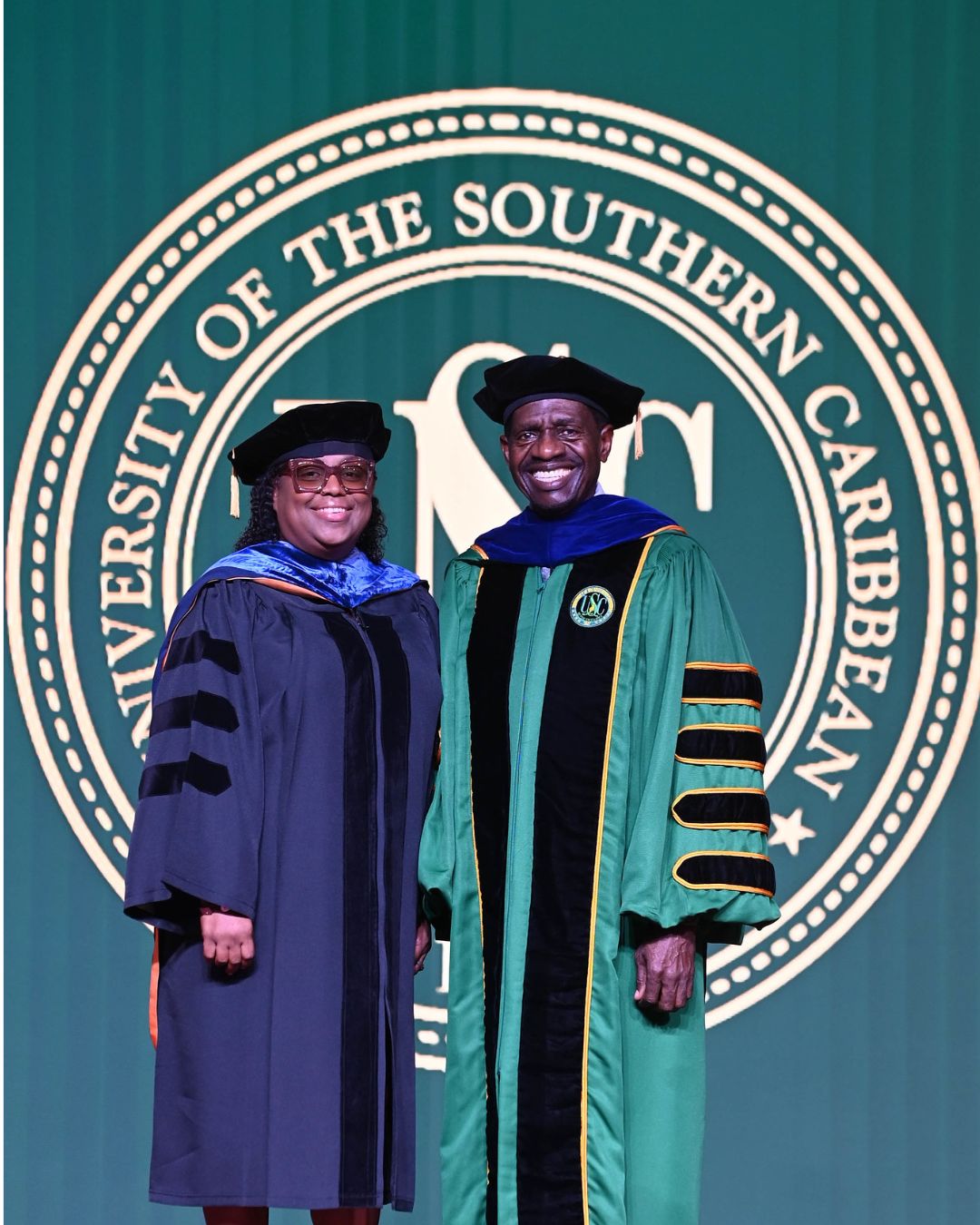
As Dean, she inherits a School whose faculty she regards as its greatest strength. She speaks appreciatively of colleagues who could pursue better-paying opportunities but stay because they love teaching and USC. Recent departures, however, have made questions of continuity immediate.
Hinkson wants younger academics to receive preparation and mentoring before experienced colleagues leave. She remembers entering university teaching from clinical practice and having to learn its structures, asking questions as she went.
A former student’s unsuccessful faculty application sharpened that concern. Without teaching experience, the alumna was not shortlisted. Hinkson understood the difficulty, but kept thinking about how graduates might acquire that experience. She hopes to explore teaching assistant opportunities, subject to institutional approval.
Beyond campus, she sees practical openings for growth: more practicum placements, closer relationships with organisations unfamiliar with USC, and continued development of existing programmes alongside further programme development and accreditation efforts.
Students, meanwhile, should leave with curiosity still intact. She encourages accessible training beyond their courses and interests beyond their disciplines. During the pandemic, she found herself wanting a practical skill of her own. Could she learn to knit? What else might she discover she could do?
Assuming office during USC’s 100th year, she wants alumni to help the School grow through their experience and involvement. Her own path gives her reason to keep possibilities open for others.
“Someone told me there was something else out there,” she says. “And I went and I experienced it.”
She still buys books and spends some weekends happily reading in her apartment. But the former student who wanted to teach remains on her mind. Amid the demands of the deanship, Hinkson wants to return to that conversation.