
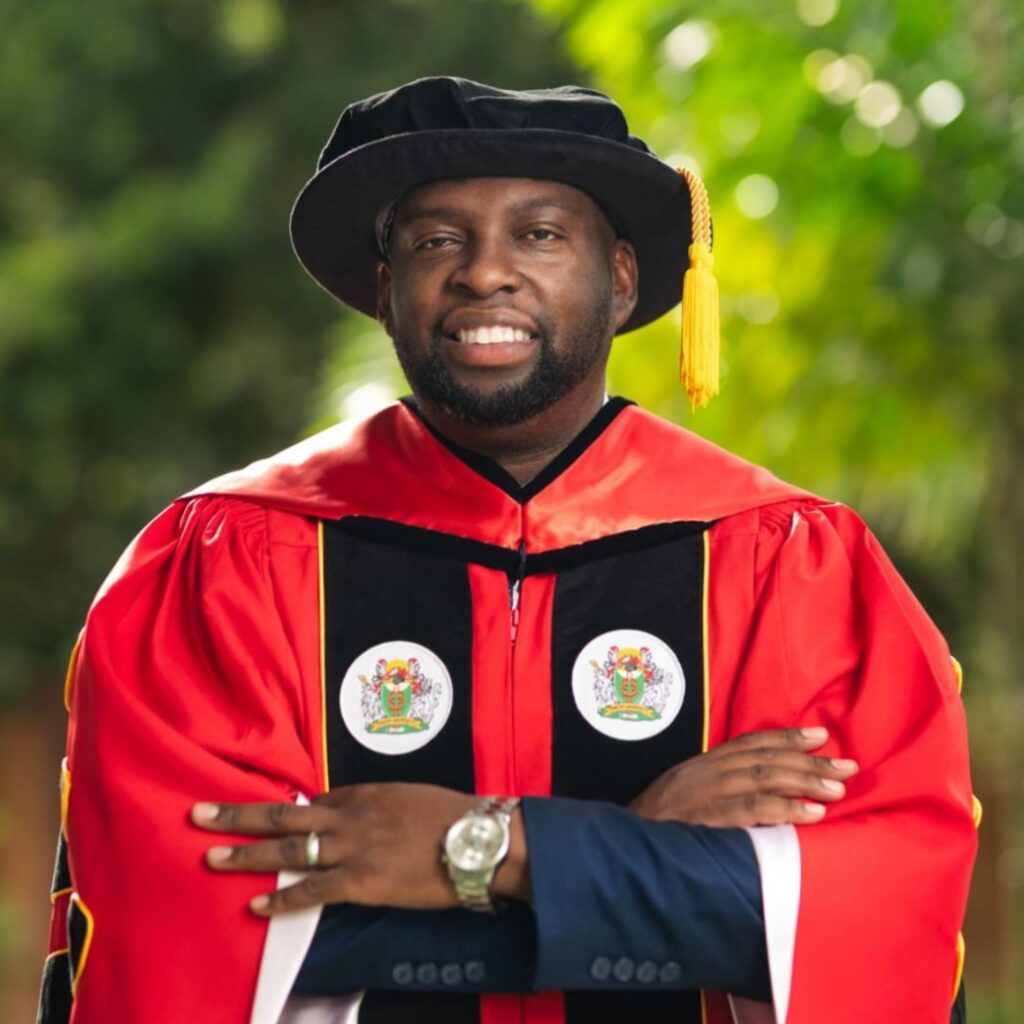
Dr. Drason Browne first entered USC’s Cafeteria as a student looking for a meal. Before long, he was staying to help.
He cut vegetables, washed dishes and prepared the dining room for service. After the last students had eaten, he helped clear the serving deck and ready the space for morning. He was an unpaid volunteer, but spent so many hours there that the arrangement began to resemble a job.
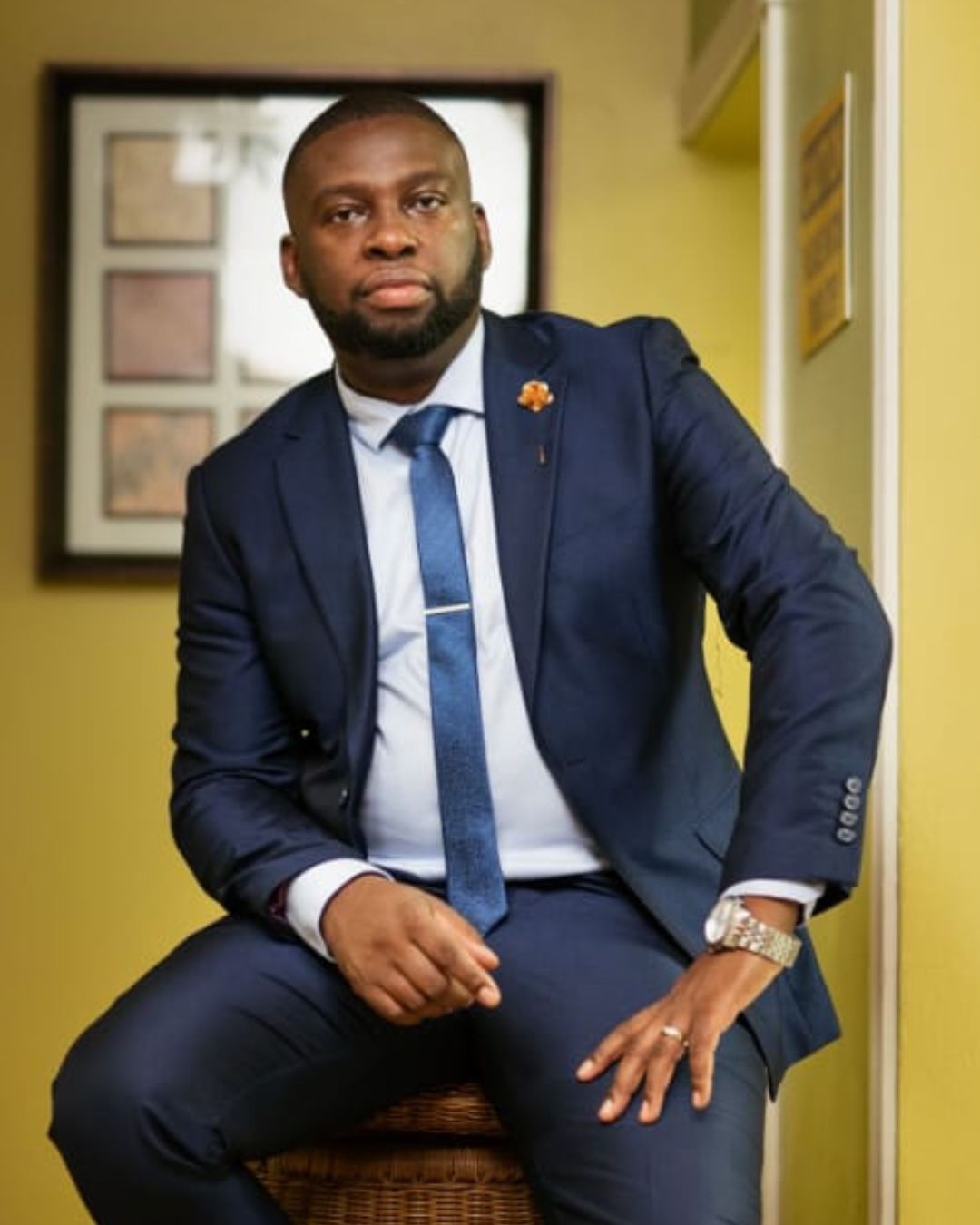
“The best place I have ever worked on campus as a student was the Cafeteria,” Browne recalled.
Alma Elder was the first employee to make him feel that he belonged. Browne kept asking whether the staff needed help. They initially declined, but he continued asking until there was always something for him to do.
“I literally looked forward to going to the Cafeteria—not so much to eat, but to be part of the staff,” he said.
Browne arrived at the University of the Southern Caribbean from St. Kitts in 2010. He was 27, had already spent eight years as a teacher and had come to Trinidad without knowing where the decision would lead. He lived in the residence hall, became deeply involved in campus life.
Today, Browne is Director of Food Services. The dining room he once helped prepare now falls under his leadership, along with the USC Café and approximately 19 employees. Some worked beside him when he was a student.
Taking charge of the department felt like coming home. Visitors are more likely to find him wearing an apron, hairnet and gloves than sitting behind his desk.
One Mark Out of 25
Browne’s academic journey began slowly. As a child, he watched other pupils excel while wondering when he would have something of his own to celebrate. In secondary school, he was placed in the lowest-performing class. He studied hard, but his grades showed little improvement.
Then came a history test on Christopher Columbus. Browne prepared until he believed he knew the material almost word for word. He scored one out of 25.
When his mother asked to see the paper, he lowered his eyes and waited for her disappointment.
“Wow, son, this is excellent,” she told him. “You made me proud, and if you can get much more of these, I will be happier.”
His mother had little formal education, yet she understood what he needed. She focused on the single correct response and treated it as evidence that another was possible. “My mother eliminated all of the big Xs from her mind,” Browne said. “That changed my entire life.”
School became his “best meal.” He completed secondary school and sixth form, earning all his subjects. In 2002, he accepted an invitation to “help out” at the St. Kitts Seventh-day Adventist School. The temporary assignment lasted eight years.
Teaching showed him the importance of being a positive male presence, particularly for children growing up without fathers. Years later, several former pupils still call him “Dad.” His work earned him the Teacher of the Year Award from the St. Kitts Seventh-day Adventist School. He also received a Community Service Award from the Government of St. Kitts and Nevis.
Making a Start
A friend, Chereca Weaver, encouraged Browne to attend USC. When he said he could not afford university, she replied, “Make a start.”
Browne began selling pancakes and saving the proceeds for tuition. Once at USC, he pursued almost every opportunity he could find. He served as a resident assistant, head resident assistant and student dean. He volunteered in the Cafeteria and Events Department, sold Christian literature to help meet his expenses and edited graduate theses before completing his first degree.
Student government had not been part of his plan. After losing his first ASB contest, students encouraged him to run for president. He won the hard-fought 2014 election and served two consecutive terms.
His administration constructed the gazebo behind the Science Complex, distributed thousands of dollars in student scholarships and established an inaugural exchange with Northern Caribbean University. Browne still notices students using the gazebo.
“Leadership is not easy,” he said, “but it is rewarding when you can see the fruits of your labour.”
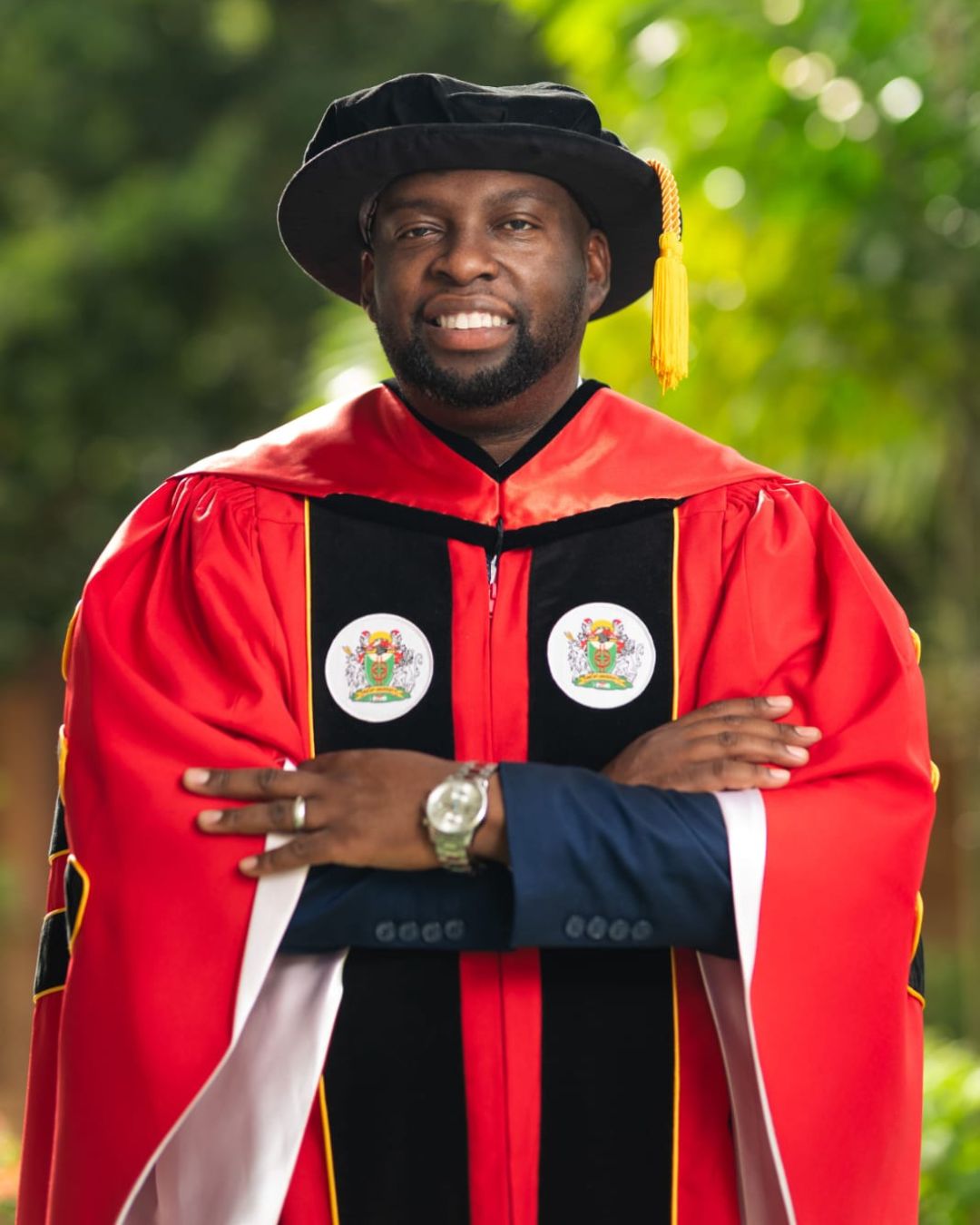
He graduated in 2015 with a Bachelor of Science in Elementary Education, a 3.94 GPA and the distinction of class valedictorian. In 2017, he completed a Master of Arts in Educational Administration and Leadership as the only graduate from his cohort. He later earned an MBA and recently completed a Doctor of Education. With every milestone, he remembers his mother and that history test.
More Than a Meal
The students Browne now serves often arrive with concerns he recognizes. Some are far from home. Others are struggling academically or financially. Browne sees the Cafeteria as part of the University’s responsibility for their welfare.
“We make the students feel welcome,” he said. “We make them feel as though they are at home.”
Employees pay attention to students who appear withdrawn or troubled. A conversation may lead to advice, encouragement or practical assistance. Browne invites students into his office to discuss their academic progress, helps them develop study schedules and connects those who are struggling with peers who can assist. When financial problems threaten a student’s education, he contacts people who may be willing to help.
He hopes to open the Cafeteria as a supervised study hall before examinations, giving residence hall students a place to work together over tea and simple snacks.
For Browne, this care is part of USC’s ministry. “You can’t preach Jesus to empty bellies,” he said.
He describes the approach as ministry “one plate at a time.” A student without a meal plan may receive something to eat in return for voluntary labour; the kindness can open the way for a deeper conversation. Food produced at USC also reaches surrounding communities through churches that purchase bread for outreach.
The work behind each meal is easily overlooked. Employees arrive early, remain late and move between cooking, cleaning, serving, packing orders and supporting campus events. When one programme required breakfast at 6 a.m., Browne gave his campus apartment to employees who lived far away and slept in his office so they could be close to work. “People do not see this type of sacrifice,” he said.
He speaks forcefully about recognizing his team. “They’re not perfect people,” he said, “but they are sacrificial people.” He is planning an appreciation ceremony so employees who usually work outside the spotlight can hear clearly that their contribution matters.
Still Becoming
Browne describes himself as being in a “continuous state of becoming.” He uses the same phrase for USC.
A member of the University community since 2010 and a full-time employee since 2015, he has witnessed its development under Dr. Clinton Valley, Dr. Sylvan Lashley, Dr. Hilary Bowman and Dr. Colwick Wilson. He believes each administration added to USC’s growth.
He points to the refurbished President’s Residence, rebuilt Auditorium, new residence halls, paved roads and improvements to the University’s entrance and security facilities. “When I enter USC, I feel like I am at a totally different institution,” he said.
As USC approaches its centennial in 2027, Browne looks forward to remembering its history and thanking God for a century of progress. He is equally concerned about what follows. Planning for the University’s second century, he believes, should begin before the centennial observances end.
“We cannot lose our hunger for betterment,” he said. “We cannot just settle and say we have arrived.”
Browne hopes USC will remain responsive to changes in higher education while protecting its Christian identity. The University, he said, must remain “relevant, competitive and distinctly different.”
His own journey explains his faith in what people and institutions can become. The child who earned one mark out of 25 became an award-winning teacher. The teacher who sold pancakes for tuition became a valedictorian. The student who ate and volunteered in the Cafeteria became the ASB president who represented his peers—and later the director responsible for feeding a new generation.
Every meal leaving the serving deck carries the labour of a department Browne believes deserves to be seen. It also carries something his mother gave him years ago: the knowledge that one act of attention can change the direction of a life.