
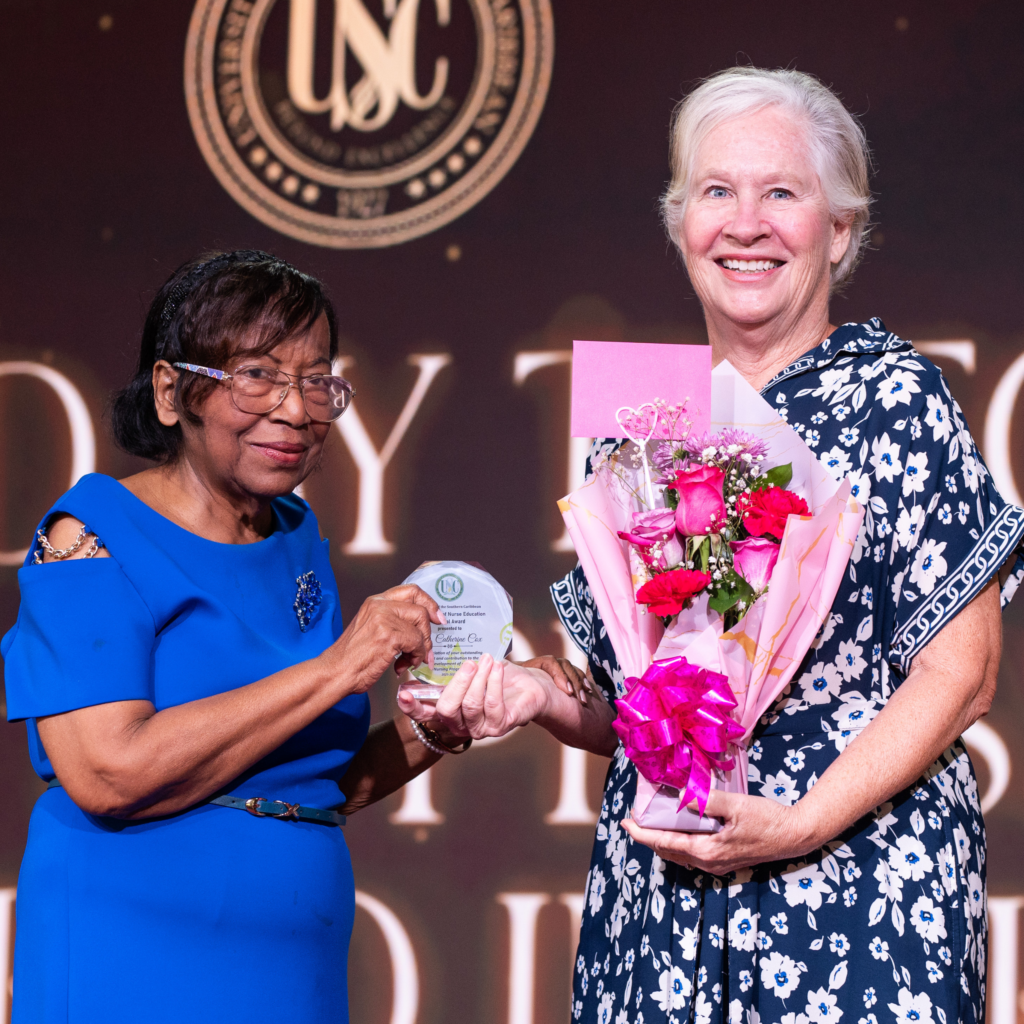
When Dr. Catherine Wilson-Cox arrived at the University of the Southern Caribbean in September 2025 as a Fulbright U.S. Scholar, she brought with her more than four decades of experience as a nurse, educator, military officer, and researcher.
What she did not expect was how deeply a small Caribbean university would leave its mark on her. “I got more out of this than I think I gave,” she reflects. “I really did.”
For nine months, Wilson-Cox lived and worked on USC’s campus, contributing to faculty development, research initiatives, curriculum planning, and the successful pursuit of international nursing accreditation. By the time she departed in June 2026, this visiting scholar had become part of the USC community.
A Career Built on Purpose
Long before she became a Fulbright Scholar, Dr. Wilson-Cox was a young nursing student searching for a profession that combined purpose with impact. The answer came during a hospital visit with her mother. “It felt like home,” she recalls. “I walked into that hospital and thought, ‘I could work here.'”
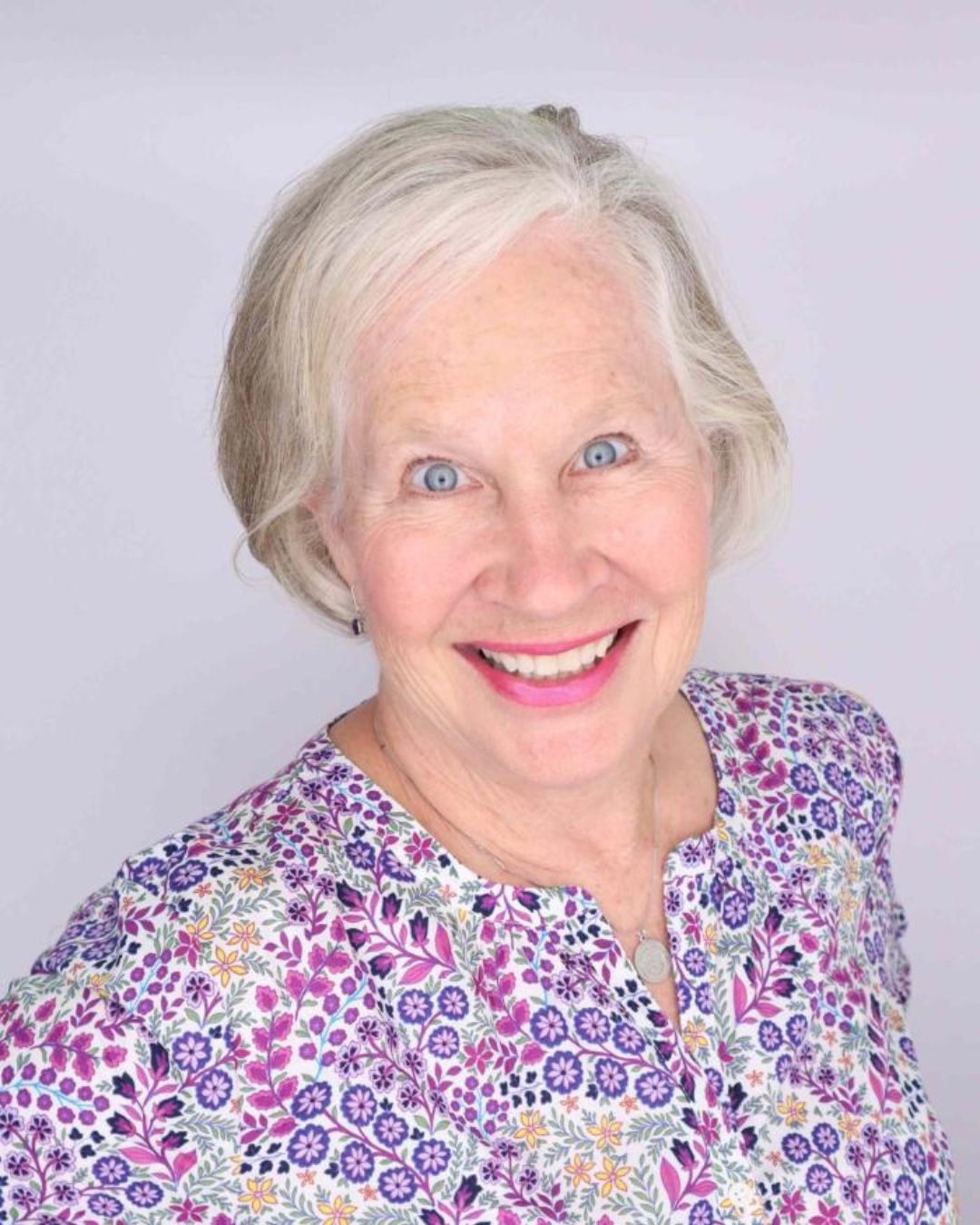 That conviction led her into nursing and eventually into the United States Navy, where she served six years on active duty before continuing her military career through the U.S. Navy Reserve. Over the course of her service, she rose to the rank of Captain (O-6), balancing military responsibilities with family life and a growing passion for education.
The military, she says, taught her lessons that would shape every stage of her professional journey. Leadership, adaptability, accountability, and service became defining principles she later carried into higher education, where she earned a doctorate in nursing and built a distinguished academic career.
Today, Dr. Wilson-Cox serves as Professor at George Washington University School of Nursing and is recognized as a Fellow of both the American Academy of Nursing (FAAN) and the Academy of Nursing Education (ANEF), among the highest honors in the profession.
However, despite an accomplished career, one goal remained unfinished. For nearly two decades, she dreamed of becoming a Fulbright Scholar.
A Hidden Gem in the Caribbean
When the opportunity finally aligned, Dr. Wilson-Cox explored possible placements around the world. Japan, Canada, the Middle East, and the United Kingdom all held appeal. Then she attended a Fulbright webinar that described Trinidad and Tobago as a “hidden gem” seeking nursing scholars. The description caught her attention.
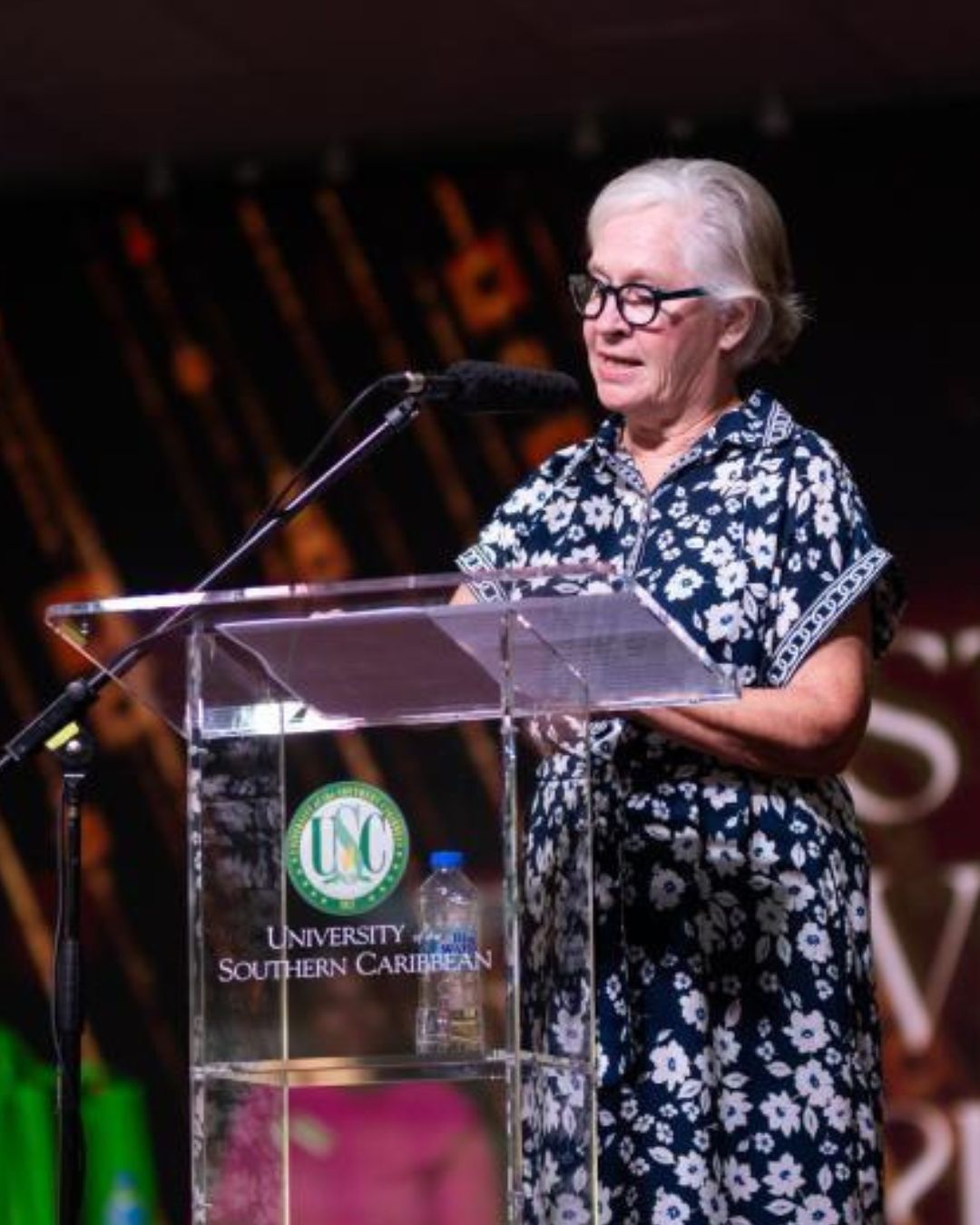 As she researched potential host institutions, USC quickly stood out. Part of the attraction was practical. USC’s nursing leadership responded immediately and enthusiastically to her inquiries. But there was something deeper as well.
Dr. Wilson-Cox appreciated USC’s faith-based mission. “I love that this is a faith-based institution,” she says. “To be able to begin classes and meetings with faith and purpose spoke to me.” Equally appealing was USC’s close-knit culture. After years in large institutions, she valued an environment where students and faculty knew one another personally and relationships remained at the heart of the educational experience. Those impressions only deepened after her arrival.
Living on campus allowed her to become immersed in University life. Students greeted her while she walked the grounds. Security officers noticed when she traveled. Faculty members welcomed her into their professional and personal circles. “It felt like family,” she says.
Supporting a Historic Achievement
Dr. Wilson-Cox’s Fulbright project focused on three objectives: building research capacity, strengthening faculty development, and providing curriculum consultation. But shortly after arriving, another priority emerged.
USC’s Department of Nursing was preparing for a critical evaluation by the Accreditation Commission for Education in Nursing (ACEN), the only nursing accreditor that evaluates international programs. The stakes were significant. International accreditation would position USC among an elite group of nursing institutions meeting globally recognized standards.
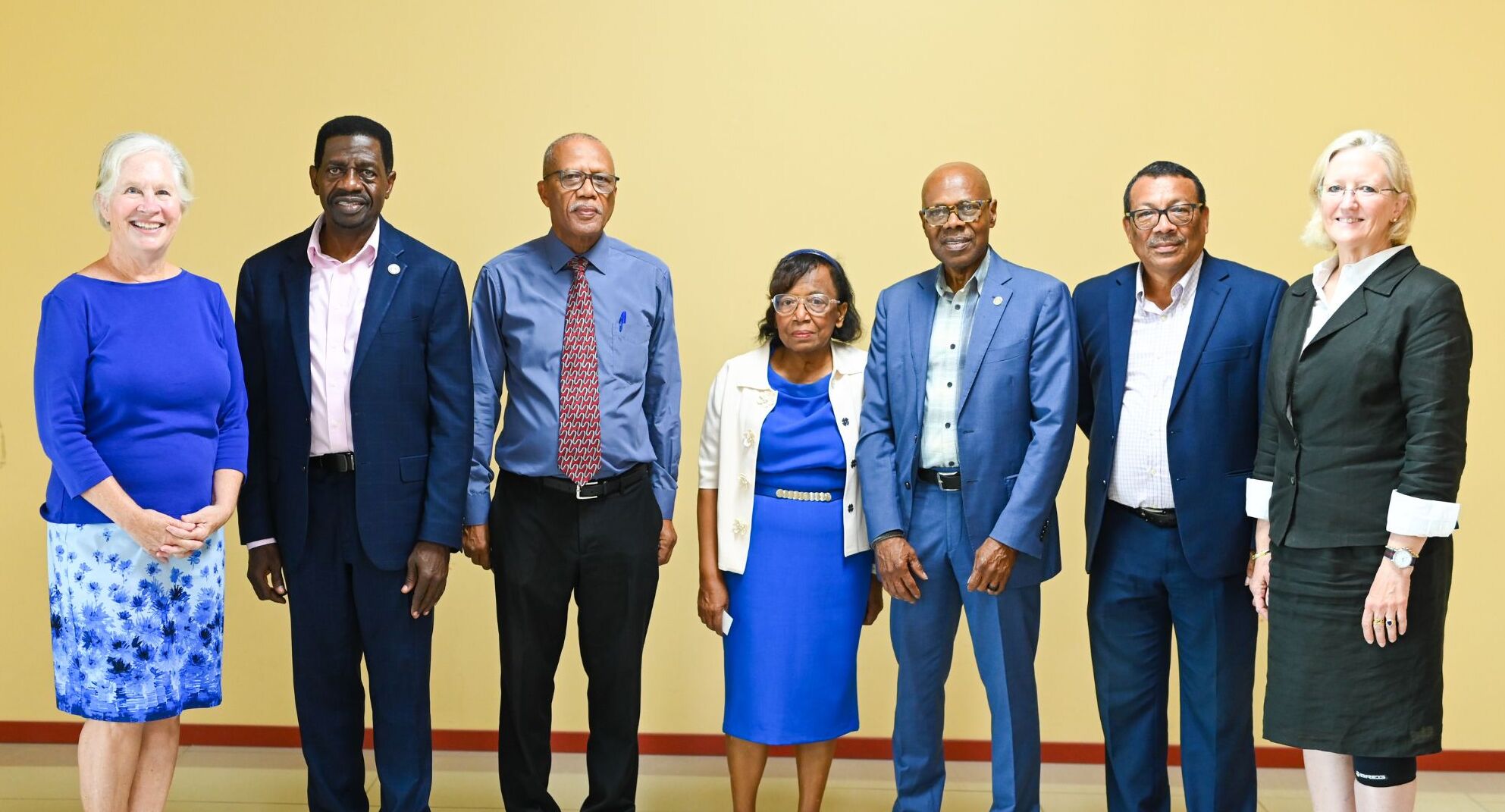
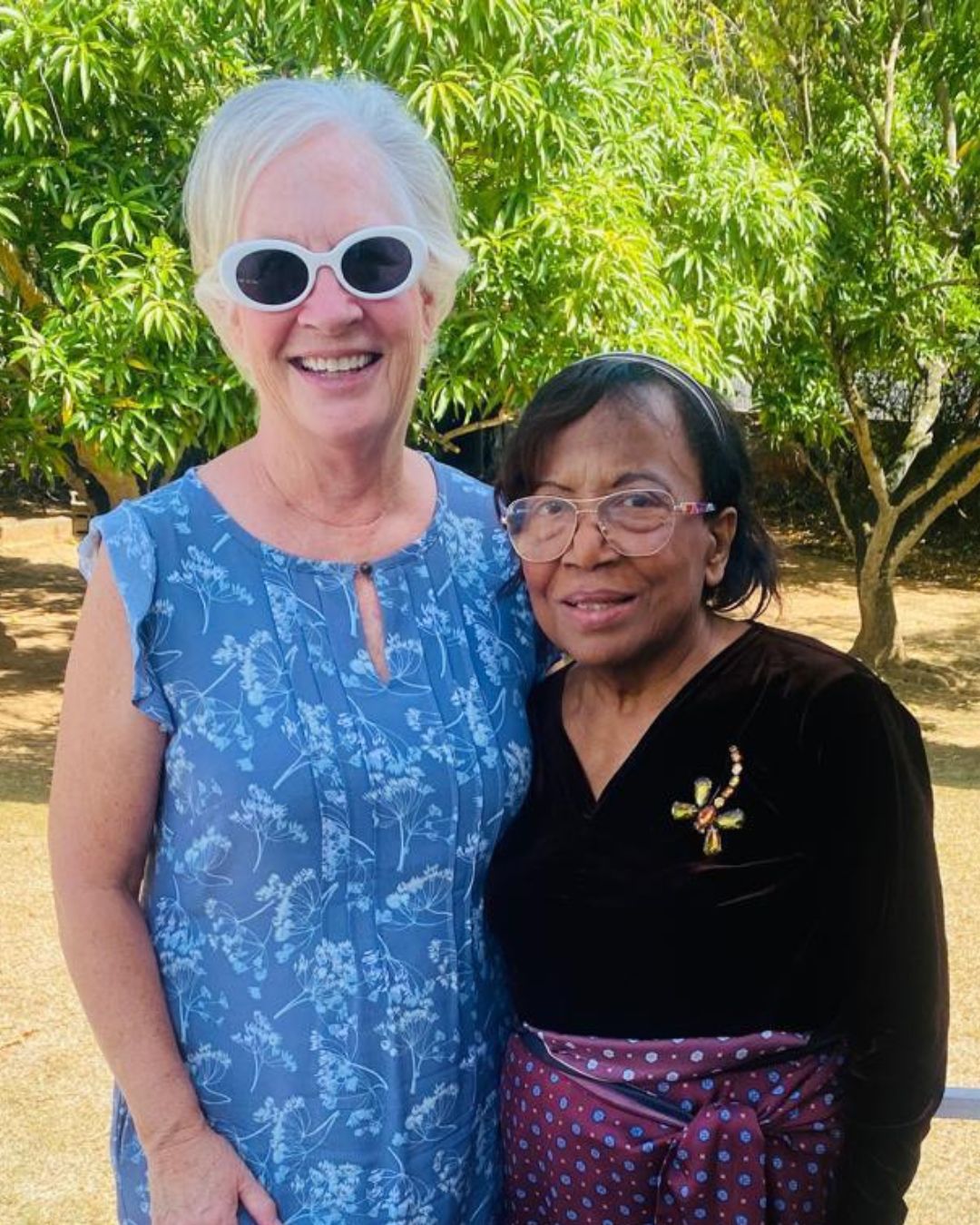 Drawing on her experience, Dr. Wilson-Cox became a valuable advisor throughout the process. Working alongside Dr. Phyllis Woolford, Director of Nursing Education, Nursing Faculty; Dr. Jerome Joseph, Dean of School of Science, Technology, and Allied Health; Provost Dr. Len Archer; and President Dr. Colwick Wilson. What impressed her most was not simply the work itself but the institutional commitment behind it. “I’ve never seen leadership so involved,” she says. “Everyone was invested in making it successful.” The effort paid off.
In 2026, USC achieved ACEN accreditation, becoming the first nursing program in Trinidad and Tobago and among the first in the English-speaking Caribbean to earn the distinction. “It demonstrates that USC is willing to rise to international standards,” Dr. Wilson-Cox says. The accreditation expands opportunities for graduates, strengthens pathways to advanced study, enhances international recognition, and affirms the quality of nursing education already being delivered at USC.
Building Beyond Accreditation
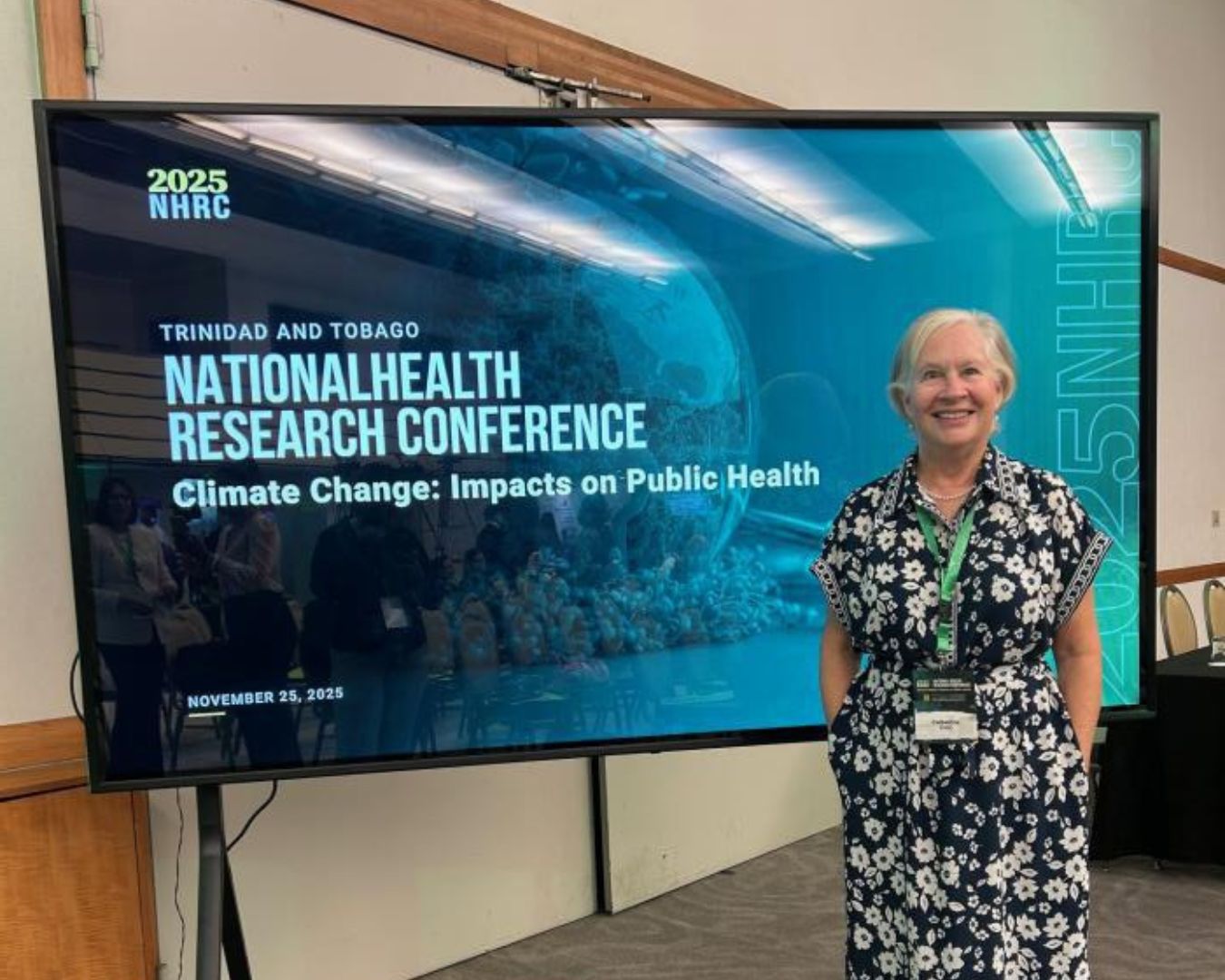 Accreditation was only one aspect of Dr. Wilson-Cox’s contribution.
One of her primary Fulbright objectives involved helping USC strengthen its research culture. Rather than simply teaching research methodology, she worked alongside faculty members through the entire research process, from study design and Institutional Review Board preparation to data collection and analysis.
The collaborative project has already produced conference submissions and laid the foundation for a long-term research agenda that will continue beyond her residency.
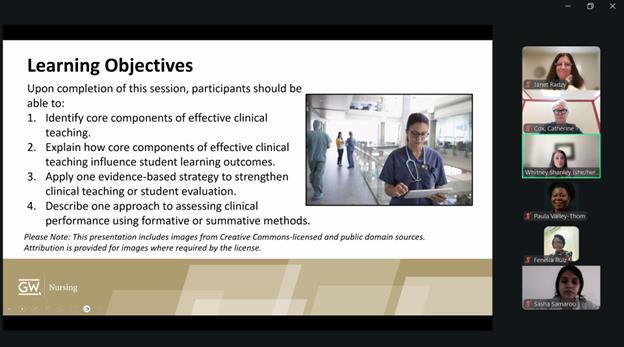
She also established Faculty Fridays, a professional development initiative that connected USC nursing faculty with subject matter experts from George Washington University. The series addressed topics ranging from simulation education and assessment strategies to conflict management and teaching effectiveness. The initiative fostered a culture of continuous professional development while expanding USC’s network of international academic partnerships.
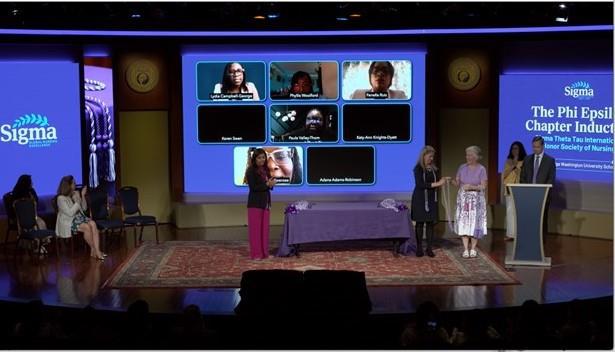
Dr. Wilson-Cox further introduced faculty members to Sigma Theta Tau International, the world’s largest nursing honor society. Through her mentorship, twelve USC nursing faculty members successfully completed the application process and were inducted into Sigma, strengthening the department’s scholarly engagement and global professional visibility.
At the same time, she worked with faculty leaders to develop plans for a future Master of Science in Nursing. The proposed curriculum, focused on Community-Based Care and Population Health Leadership, was designed to address national and regional healthcare needs while positioning USC to launch its first graduate nursing degree.
As USC approaches its Centennial Anniversary in 2027, Dr. Wilson-Cox sees enormous potential for academic and institutional growth. Just as importantly, she sees opportunities for continued collaboration with international institutions. The relationships formed through Fulbright, she says, should not end when scholars return home. “We’re not finished,” she says. “The research will continue. The partnerships will continue.”
A Lasting Legacy
Universities often celebrate milestones through buildings, rankings, and institutional achievements. Yet some of their most enduring successes are measured in relationships. Dr. Wilson-Cox arrived at USC as an accomplished scholar. She leaves as a friend, mentor, collaborator, and advocate.
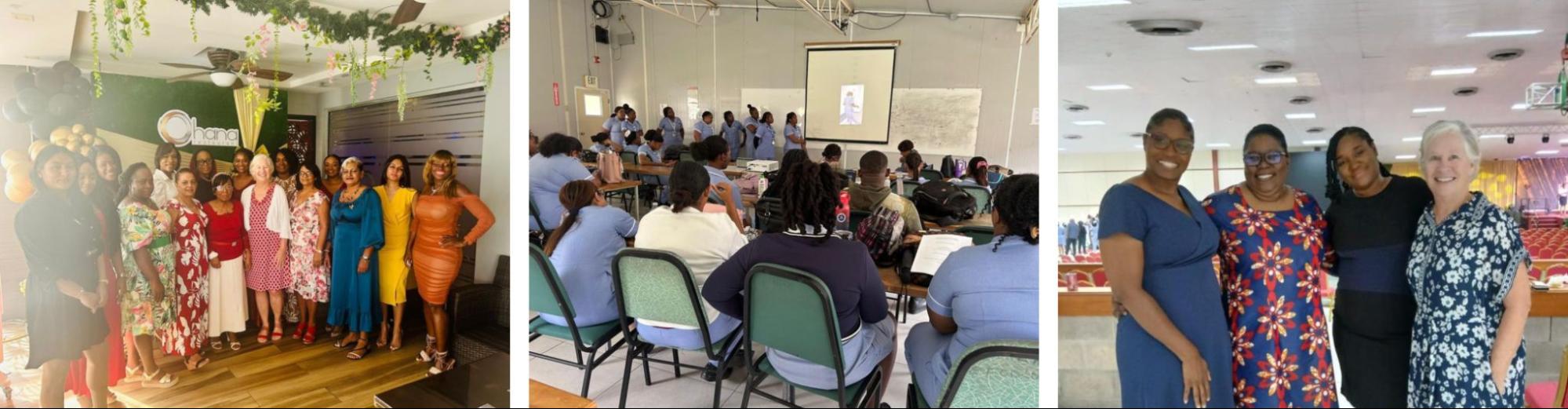
Her contributions helped strengthen a nursing program at a pivotal moment in its history. At the same time, USC reminded her of something often overlooked in higher education: that excellence is built not only through expertise, but through community.
As USC continues its Journey to 100, the impact of her service will be visible in strengthened faculty, expanded opportunities, and future nurses whose education has been shaped by the standards she helped advance.
For Dr. Wilson-Cox, however, the greatest reward remains the people she encountered along the way. “I’ll miss the students. I’ll miss the faculty. I’ll miss the community,” she says.
And perhaps that is the clearest measure of a successful Fulbright experience. The scholar came to serve. In the process, she became part of the story.