
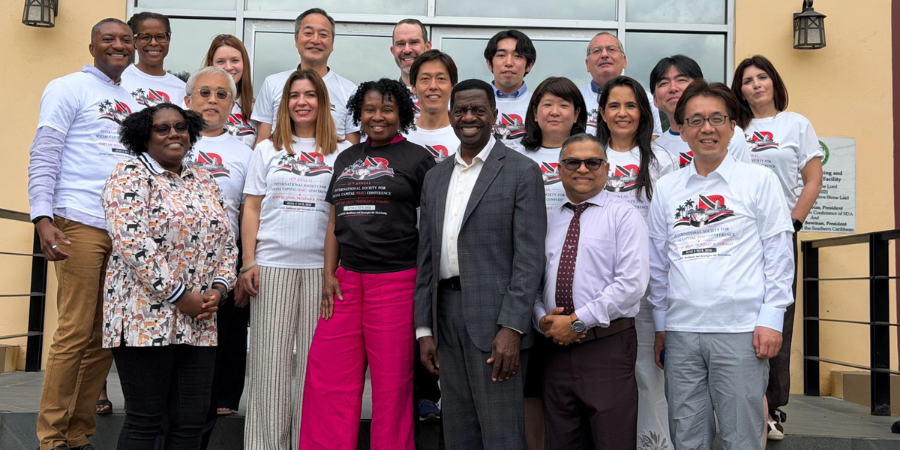
The University of the Southern Caribbean (USC) made history on June 8–9, 2026, as the first institution in the Caribbean to host the Annual Conference of the International Society for Social Capital (ISSC). Founded in 2009 by Professor Ichiro Kawachi of Harvard T.H. Chan School of Public Health, the ISSC is the world’s leading forum for research on the connections between social capital and health. Kawachi was among the scholars and practitioners who gathered at USC’s Main Campus in Maracas Valley, St. Joseph, for the conference’s 15th annual meeting.
The invitation-only event convened an international network of researchers exploring how trust, social networks, civic engagement, and community relationships influence health, resilience, and quality of life.
USC served as host institution and co-sponsor of the conference in partnership with the Yale School of Public Health and an international consortium of universities and research organizations. The event positioned both the university and the wider Caribbean academic community within a global conversation on resilience, public health, and social connectedness.
This year’s theme, “Social Capital, Resilience and Strategies for Well-being in Times of Social Fracture and Waning Trust,” addressed pressing global challenges including social isolation, declining trust in institutions, mental health concerns, climate-related disruptions, and widening inequalities. Throughout the conference, researchers examined how strong social connections and community networks can strengthen resilience and improve well-being during times of uncertainty.
A key figure in bringing the conference to Trinidad and Tobago was Dr. Yusuf Ransome of the Yale School of Public Health. A Trinidad and Tobago national and internationally recognized social epidemiologist, Dr. Ransome served as lead organizer of the 2026 conference and was instrumental in establishing the partnerships that made the event possible. His efforts helped connect the ISSC’s global research network with the Caribbean context, creating opportunities for scholars to engage directly with the region’s rich traditions of community life and social cohesion. “We also have concepts such as liming that come out of Trinidad and Tobago, a concept that is closely related to social capital. The idea of the informal gathering of people, the spontaneity in how we view connections, is something we find quite essential to our living.” — Dr. Yusuf Ransome. His remarks endorsed Trinidad and Tobago’s culture as a living example of social capital in practice, where everyday relationships and informal community networks continue to shape individual and collective well-being. Conference participants represented some of the world’s most respected universities and research institutions, including Yale University, Drexel University, Northeastern University, Rutgers University, Kyoto University, Seoul National University, the University of Maryland, Baltimore, the University of Valencia, the Norwegian University of Science and Technology, Pontificia Universidad Católica de Chile, the Institute of Science, Tokyo, and the University of the West Indies.
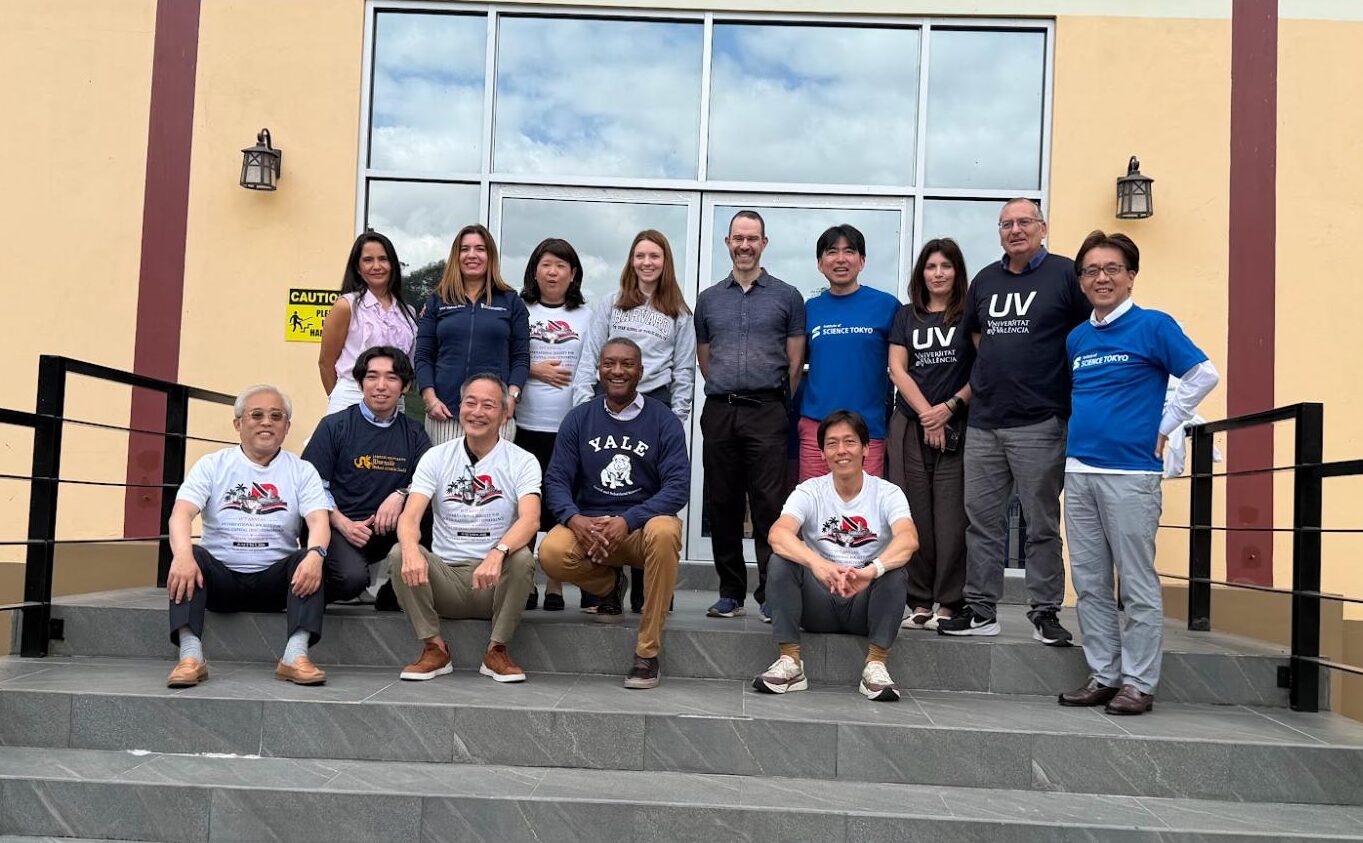
Presentations examined a wide range of issues affecting communities worldwide, including social cohesion and biological aging, mental health among adolescents, health inequalities, disaster resilience, spirituality and well-being, climate vulnerability, and community-based approaches to strengthening population health. Together, these discussions underscored the growing recognition that social relationships and community networks are fundamental determinants of human flourishing.
Representing USC, Dr. Amanda K. Thomas contributed to the programme with research examining the relationship between religiousness, spirituality, and suicidal ideation among community residents and university students in Trinidad and Tobago, highlighting important ethno-racial differences within the local context.
Beyond the academic programme, conference participants experienced elements of Trinidad and Tobago’s culture through organized excursions and community engagement activities. These experiences reflected one of the reasons the Caribbean was selected as the host region. Scholars have long pointed to the region’s traditions of community cohesion, social connectedness, and collective support as living examples of social capital in practice. Hosting the conference in Trinidad and Tobago, therefore, provided an opportunity to examine many of the concepts discussed in research within a real-world cultural setting.
For USC, the successful hosting of ISSC 2026 reflects the university’s growing role as a convenor of international scholarship and research collaboration. By welcoming globally recognized researchers to its campus, USC demonstrated its capacity to facilitate meaningful academic dialogue that addresses complex social and public health challenges facing communities around the world.
The conference also signals a broader trajectory of research leadership for the institution. Following ISSC 2026, USC looks forward to further strengthening its position as a key gathering place for scholarly engagement within Adventist higher education, particularly as the institution approaches its centennial year in 2027.