
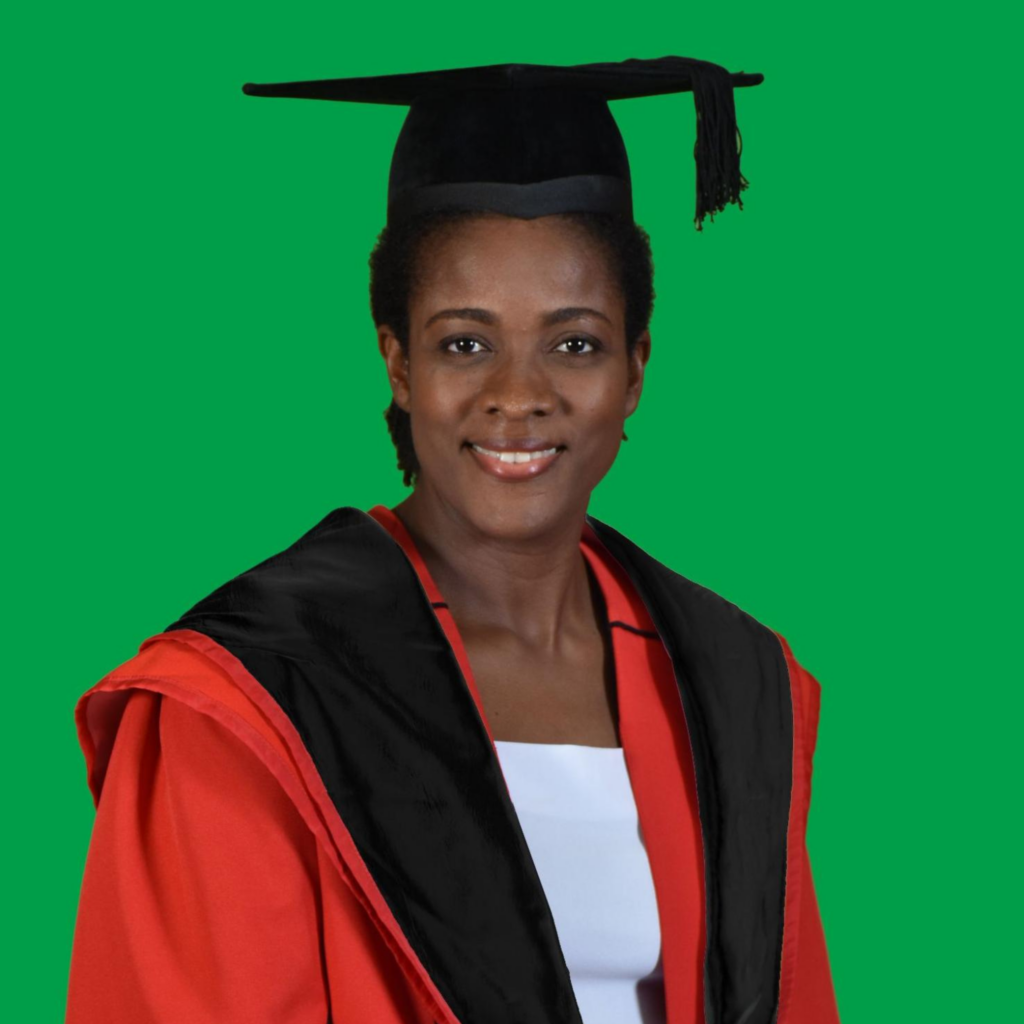
Explore Dr Narsha James' inspiring USC journey of faith, resilience & pioneering PhD success in youth wellbeing.
For many students at the University of the Southern Caribbean (USC), Dr. Narsha James is more than a lecturer. She is a mentor, an encourager, and a reminder that resilience and purpose can coexist even in life’s most difficult seasons. Last year, she added another remarkable achievement to her story: earning her Doctor of Philosophy degree. In doing so, she became the first PhD graduate from her program in Child, Adolescent and Youth Studies from The University of the West Indies Global Campus, a milestone she attributes not to her own strength alone, but to God’s faithfulness.
Originally from Grenada, Dr. James arrived at what was then Caribbean Union College (now the University of the Southern Caribbean) in 2002 as a 19-year-old scholarship student. It was her first time traveling outside of her home country. She did not spend years carefully planning her path to USC. Instead, she describes it as a moment where God opened doors through the support of people who believed in her potential.
“I always loved school,” she recalls. “When I finished my studies in Grenada, people were interested in helping me go further.”
Among those investing in her future was her local pastor, who quietly worked behind the scenes to help secure a scholarship opportunity. Before long, the young woman who had never left Grenada found herself beginning a new chapter in Trinidad. What followed was not a straight line but a journey shaped by faith, hard work, and perseverance.
After completing her undergraduate degree, Dr. James became USC’s first graduate assistant when the institution transitioned from CUC to USC. The position provided her with the opportunity to pursue graduate studies in Educational Psychology through Andrews University while teaching introductory courses. What began as an opportunity soon evolved into a calling. Yet behind the academic accomplishments were realities familiar to many students today. There were seasons when finances were difficult. Like many students trying to make ends meet, Dr. James worked wherever work could be found.
“I had to clean toilets,” she says. “I had to clean people’s houses. There
was no negotiation about it.”
The honesty of that statement is perhaps what makes her story so powerful. There is no attempt to romanticize the struggle. Instead, she speaks openly about the discipline, and strong work ethic that emerged from those experiences. The same lessons that helped her as a student would later sustain her as a lecturer, mother, wife, and doctoral candidate. When asked about some of her most meaningful memories at USC, her answer does not begin with classrooms or academic awards. Instead, she speaks about spirituality.
“I feel like you find God at USC,” she reflects.
As a student living in the old Linda Austin Hall, she encountered worship experiences, mentors, and spiritual leaders who challenged her to prioritize her relationship with God. Those experiences helped shape not only her faith but also her understanding of purpose.
Throughout her years at USC, she found inspiration in individuals who invested in students and believed in education’s transformative power. She speaks fondly of mentors, colleagues, and former faculty members who encouraged her growth and demonstrated what servant leadership could look like. That same desire to serve would eventually influence her doctoral research.
While pursuing her PhD, Dr. James became increasingly concerned about the well-being of young people. She observed students struggling emotionally, academically, and socially. Then came the COVID-19 pandemic, amplifying challenges that were already present.
“My research started with a simple question,” she explains. “Why are students not coping?”
Her work focused on the mental well-being and future orientation of emerging adults, a developmental group often caught between adolescence and adulthood. While much of the global conversation during the pandemic centered on children and older adults, Dr. James noticed that university-age students were often overlooked. Yet they were navigating online graduations, uncertainty about the future, social isolation, and major developmental transitions all at once.
“If they don’t see hope for the future,” she says, “then what’s the point?”
Her research explored not only how young people felt about the future but also how their goals, planning, and sense of purpose influenced their ability to cope with adversity. It was research rooted in compassion, curiosity, and a genuine desire to understand and help a generation facing unprecedented challenges.
Perhaps what makes Dr. James such a respected educator is that she teaches from experience. Her lessons extend beyond textbooks and lecture slides because they have been tested in real life. While completing her PhD, she balanced work responsibilities, family commitments, and the demands of raising young children. There were moments of grief and hardship, including the loss of her sister, yet she continued showing up for her students with the same care and dedication they had always known. When asked what advice she would offer students pursuing their own goals, her answer is refreshingly practical.
“A PhD is a long-distance race,” she says.
Success, she explains, is rarely about dramatic breakthroughs. Instead, it comes from committing to small, consistent actions every day. Half an hour of progress is still progress. One completed task still moves you forward. Perseverance matters more than perfection.
She also emphasizes something many students struggle to practice: kindness toward oneself.
“You have to be gentle with yourself,” she says. “Today wasn’t as good as yesterday, but that’s alright.“
Above all, she encourages students to prioritize their relationship with God. Before reading journal articles or beginning academic work, she made time for prayer and Bible study. For her, faith was not separate from success. It was the foundation that made success possible.
As she looks toward the future, Dr. James remains deeply invested in USC and its students. She speaks passionately about helping young people develop the skills, resilience, and sense of purpose needed to make meaningful contributions to society. She hopes to continue learning, growing, and serving wherever God leads.
“I want to bloom where I am planted,” she says.
It is a fitting description of a woman whose life has been marked by faithful growth. From a young scholarship student arriving in Trinidad for the first time to a pioneering PhD graduate and respected educator, Dr. Narsha James’ journey is a testament to what can happen when faith meets perseverance and purpose meets opportunity. For the countless students whose lives she has touched along the way, her achievement is more than a personal milestone. It is a reminder that dreams are worth pursuing, that obstacles can be overcome, and that with God’s guidance, it is possible to bloom exactly where you have been planted.