USC News

Redefining Hospitality: Sustainability, Innovation, and Leadership in Focus

At a USC workshop, Caribbean hotel managers explored sustainability, personalised experiences, and resilient leadership.

By Nadira Mohammed, Communications Assistant

Integrated Marketing and Communications

March 26, 2026

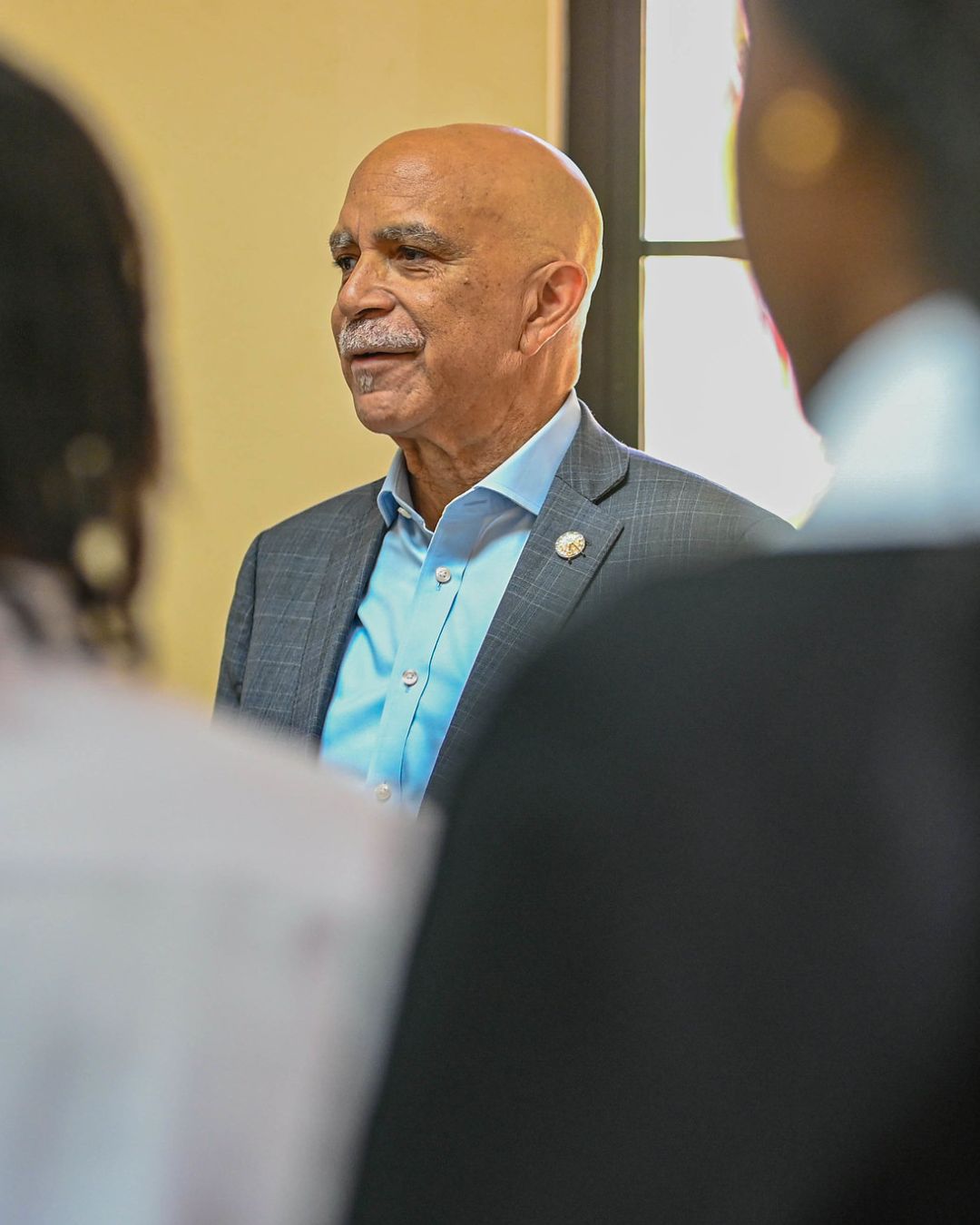
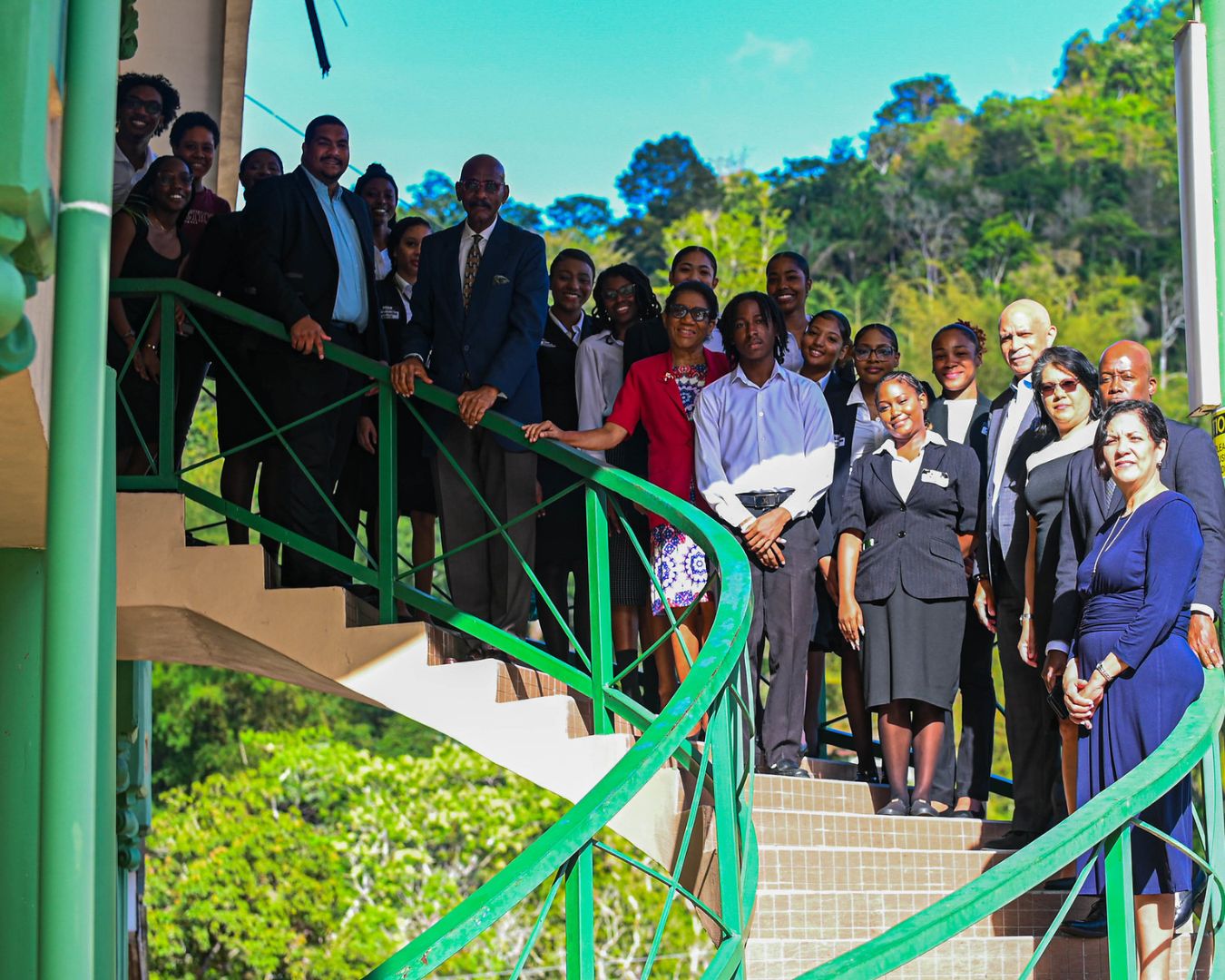
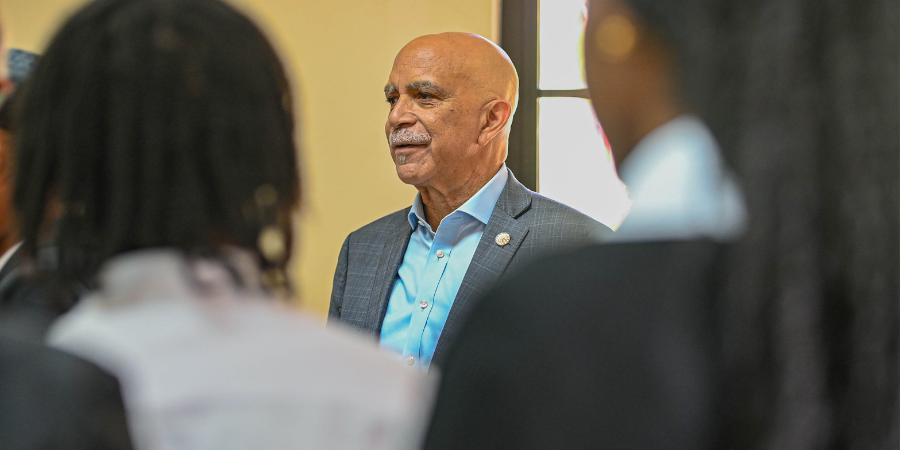
On Thursday 26th March, 2026, the University of the Southern Caribbean, School of Business and Entrepreneurship hosted a dynamic Contemporary Issues in Hospitality & Tourism Workshop, bringing together leading hotel executives to share real-world insights on sustainability, leadership, and the evolving demands of the industry. The session offered students and aspiring professionals a rare opportunity to engage directly with General Managers and industry practitioners who are actively shaping hospitality across Trinidad and Tobago and the wider Caribbean. The event was further distinguished by the presence of the University’s Provost, Dr. Len Archer, whose attendance underscored the institution’s commitment to academic excellence and industry engagement.

The workshop was led by a distinguished panel of hospitality leaders, each bringing unique expertise and practical perspectives on the industry.

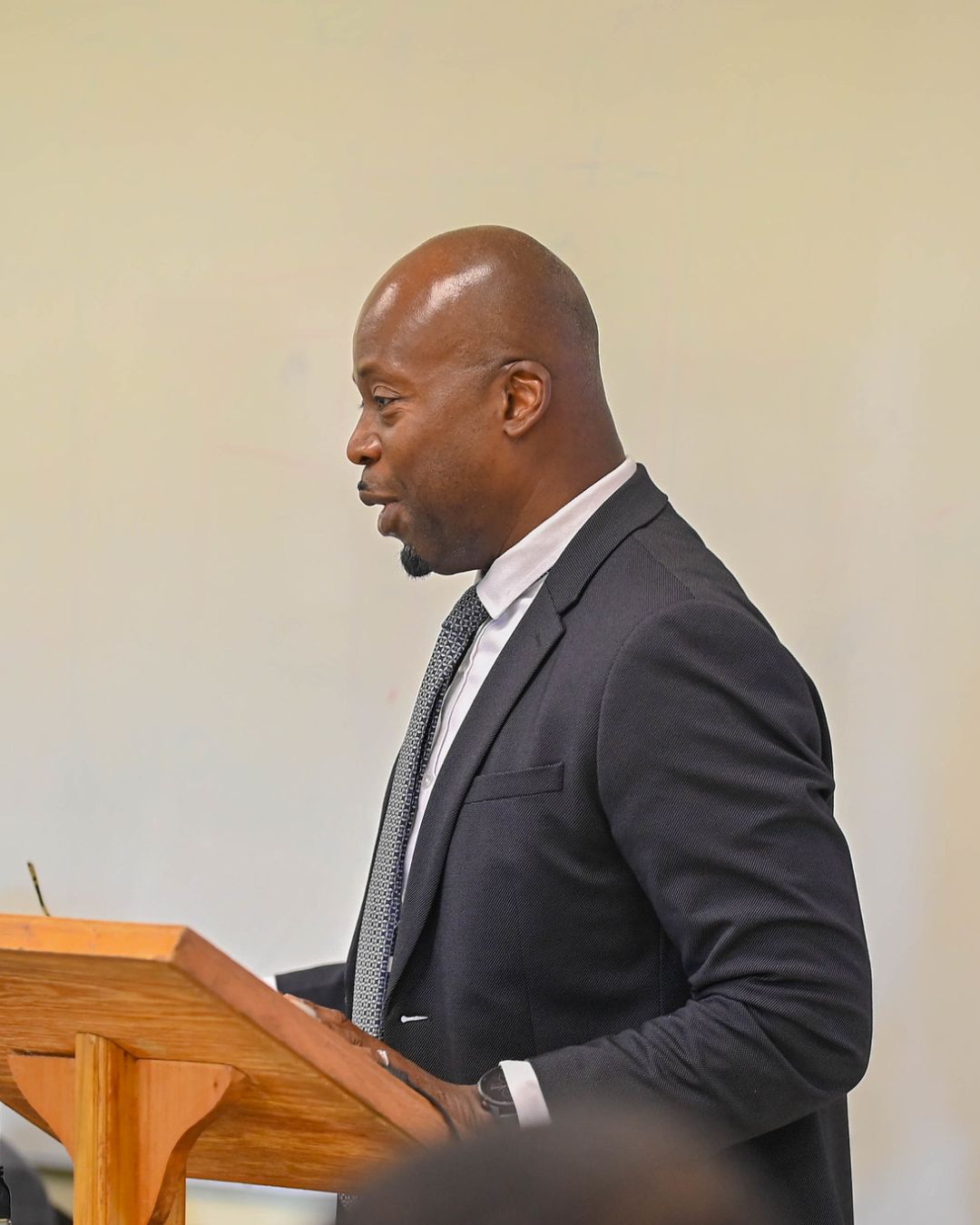
Michael Hooper, General Manager, Hyatt Regency Trinidad
Mr. Hooper emphasized the importance of leadership development and professional growth. He encouraged students to emulate excellence from mentors and leaders, remain open to learning, and be prepared to engage meaningfully with teams at all levels. His insights highlighted the realities of leadership, including accountability, adaptability, and the responsibility to guide and support staff effectively. Mr. Hooper’s session set the tone for the workshop, emphasizing leadership as an evolving discipline rooted in mentorship, accountability, and continuous learning.

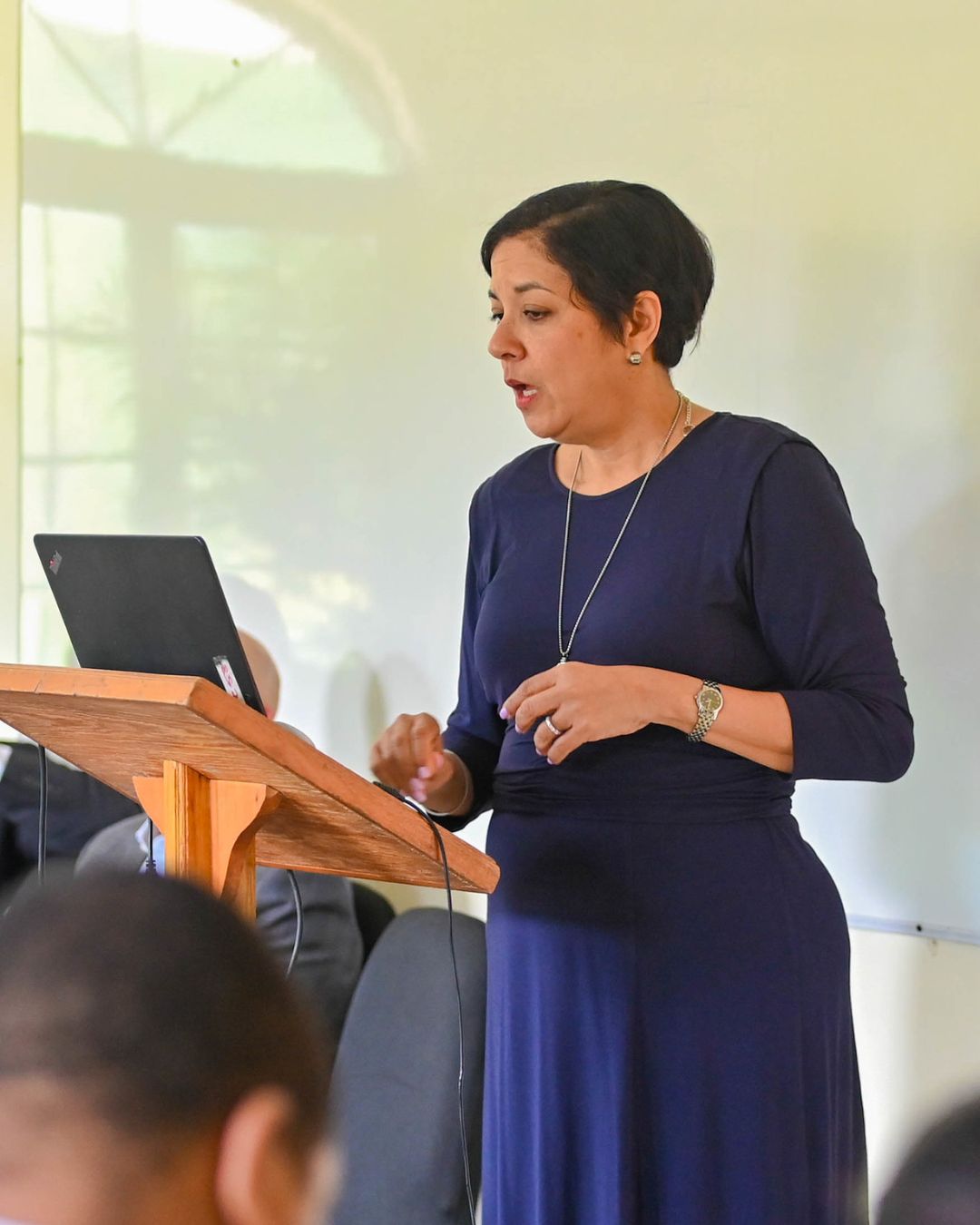
Nicol Khelawan, General Manager, Courtyard by Marriott
Ms. Khelawan focused on individualization in guest experience and team empowerment. She underscored that modern hospitality is no longer about standardized service, but about understanding each guest as an individual. She also stressed the importance of empowering employees to make decisions, fostering a culture where teams are confident, solution-oriented, and responsive to guest needs. Ms. Khelawan highlighted the importance of individualization in hospitality, encouraging a shift from standardized service to tailored guest engagement.

Hassel Thom, General Manager, Cara Hotels Pointe-a-Pierre
Mr. Thom delivered a compelling perspective on resilience, crisis management, and relationship building. Drawing from experiences during the COVID-19 pandemic, he highlighted the importance of maintaining transparent and honest relationships with suppliers and stakeholders. He emphasized that trust is a valuable form of capital in business and that effective leaders must plan for uncertainties while remaining adaptable and people-focused. Mr. Thom brought attention to resilience and relationship-building, underscoring the value of trust and adaptability in times of uncertainty.

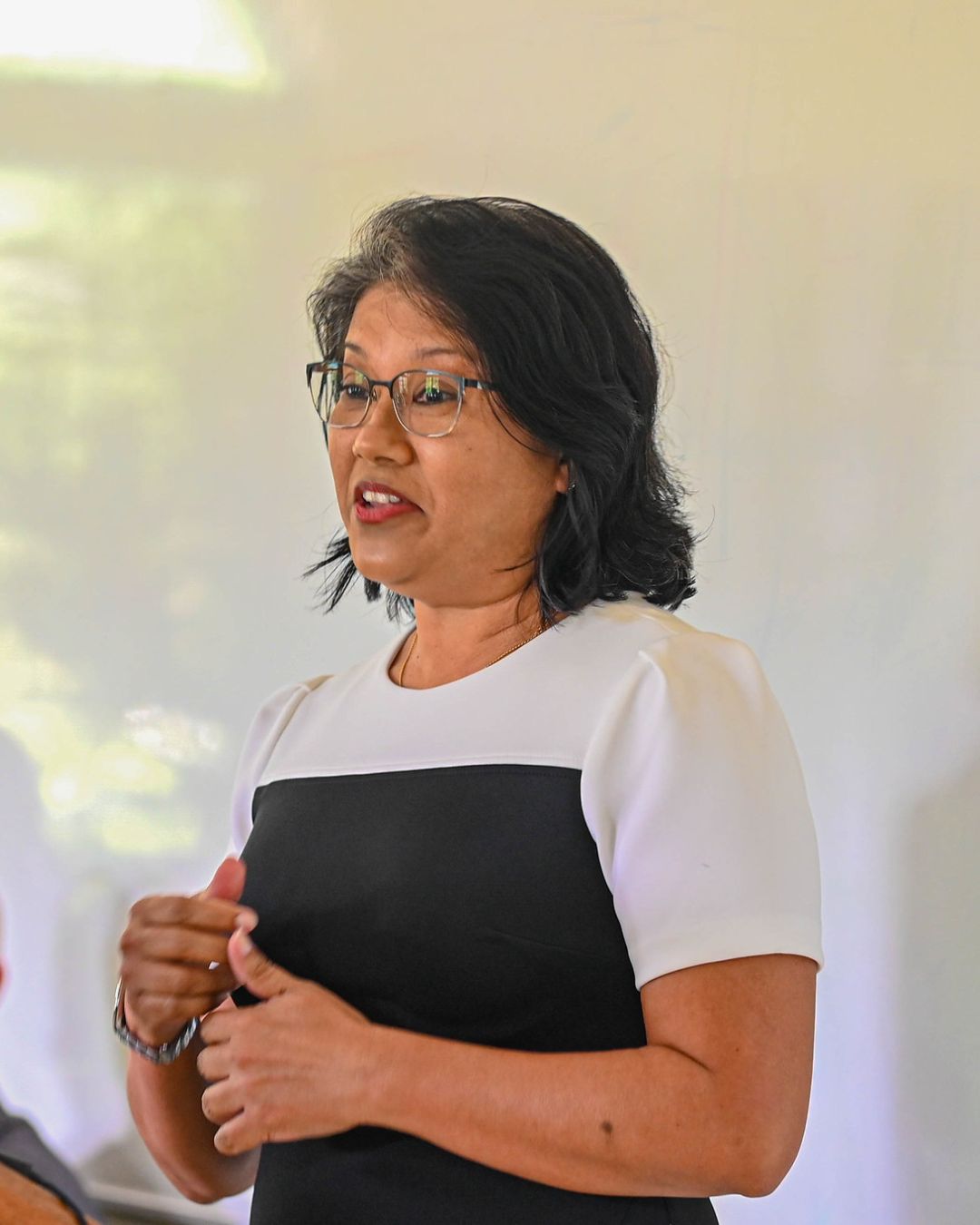
Maria Yip Sin-John, General Manager, Comfort Inn & Suites Tobago
Ms. Yip Sin-John addressed sustainability and responsible tourism practices. Her presentation explored practical approaches such as renewable energy adoption, water conservation, and supporting local agriculture. She challenged participants to reflect on their own habits, including purchasing choices, and to consider whether they are actively contributing to sustainable development within the industry. Ms. Yip Sin-John concluded with a focus on sustainability, challenging attendees to think critically about environmental responsibility in modern tourism.


Michael Hooper

Michael Hooper

A woman with short dark hair, wearing a long dark blue dress and a silver necklace, stands behind a wooden podium with a laptop, gesturing with her right hand as she speaks.
Nicol Khelawan
Hassel Thom

Hassel Thom
Maria Yip Sin-John

Maria Yip Sin-John


The central theme throughout the workshop was sustainability, not as a trend, but as a necessity. Presenters emphasized that modern hospitality operations must actively reduce environmental impact while maintaining guest satisfaction and operational efficiency.
Key practices highlighted included:

  • Water conservation through low-flow fixtures and grey water recycling systems
  • Energy efficiency via solar power, reflective roofing, and natural ventilation
  • Waste reduction through minimizing single-use plastics and encouraging recycling
  • Eco-conscious construction to reduce long-term environmental strain

Regional comparisons illustrate that countries like Jamaica, Barbados, and St. Lucia are advancing rapidly in sustainable tourism. Their initiatives range from banning single-use plastics and jet skis to investing in coral reef restoration, marine protection, and renewable energy adoption. These efforts reinforce the growing expectation that tourism must coexist responsibly with the environment.

In Trinidad and Tobago, similar efforts are emerging, particularly in Tobago, where marine conservation zones, eco-lodges, and regenerative agriculture practices are gaining traction. However, challenges such as cost, infrastructure, and public participation remain key barriers to widespread adoption. Beyond sustainability, the workshop underscored a major shift in hospitality from standardized service to personalized experiences.

Guests today expect more than comfort, they expect recognition as individuals. This evolution is driven by technology, data, and changing consumer behavior. Hotels now leverage mobile apps, guest history, and preference tracking to tailor experiences, from room setup to dining recommendations. The concept of individualization was emphasized as understanding not just what guests need, but who they are, empowering staff to make real-time decisions without rigid scripts and using data to anticipate and resolve issues before they arise.

This approach requires well-trained, confident teams who can adapt service delivery to each guest’s expectations. As noted during the session, professionalism is the foundation, but passion is the finish. The presenters offered candid insights into leadership within hospitality, particularly in the context of crisis and workforce challenges.

The COVID-19 pandemic was highlighted as a defining moment that tested the resilience of the industry. Leaders were forced to rapidly restructure operations, maintain staff morale despite reduced revenues, and build contingency plans for future disruptions.

One key takeaway was the importance of relationships as capital. Strong, transparent relationships with suppliers, employees, and partners proved essential for survival during periods of uncertainty. As emphasized during the session by Mr. Hassel Thom, “Your relationships are your capital. Trust is what sustains business, especially in difficult times.” Additionally, the industry continues to face challenges such as limited talent pipelines, especially at the middle management level, the need for continuous training and development, and balancing employee protections with operational efficiency.

Students were encouraged to approach hospitality careers with flexibility and openness. Success in the field often requires starting at entry-level positions and working upward, gaining experience across multiple departments, especially in sales and operations, and being willing to relocate or work internationally. Importantly, speakers stressed that learning does not end with a degree. The industry is constantly evolving, and professionals must remain adaptable and committed to lifelong development. As Ms. Nicol Khelawan noted, “Learning does not stop when you complete your degree. You must continue learning to keep up with the evolution of the industry.”

Another recurring theme was the importance of maintaining a human-centered approach in leadership. Whether managing teams or serving guests, empathy and authenticity were highlighted as critical traits. Practical leadership principles shared included emulating positive role models and mentors, maintaining honesty and transparency in professional relationships, empowering teams to make decisions confidently, and remaining solution-oriented in the face of challenges.

Balancing professional demands with personal well-being was also discussed. Leaders emphasized the importance of finding personal anchors, whether family, hobbies, or routines, to maintain mental health in a high-pressure industry. The discussion extended beyond corporate responsibility to individual accountability. Even seemingly eco-friendly solutions, such as biodegradable plastics, were examined critically. Participants were encouraged to consider lifecycle impacts, waste management realities, and the importance of reducing consumption overall.

A simple but powerful takeaway emerged, sustainability is as much about mindset as it is about systems. The workshop provided a comprehensive look at the evolving landscape of hospitality and tourism in the Caribbean. From sustainability and technological innovation to leadership and workforce development, the discussions highlighted both the opportunities and challenges facing the industry. Ultimately, the message was clear, the future of hospitality belongs to professionals who are adaptable, people-focused, and committed to sustainable and ethical practices.