
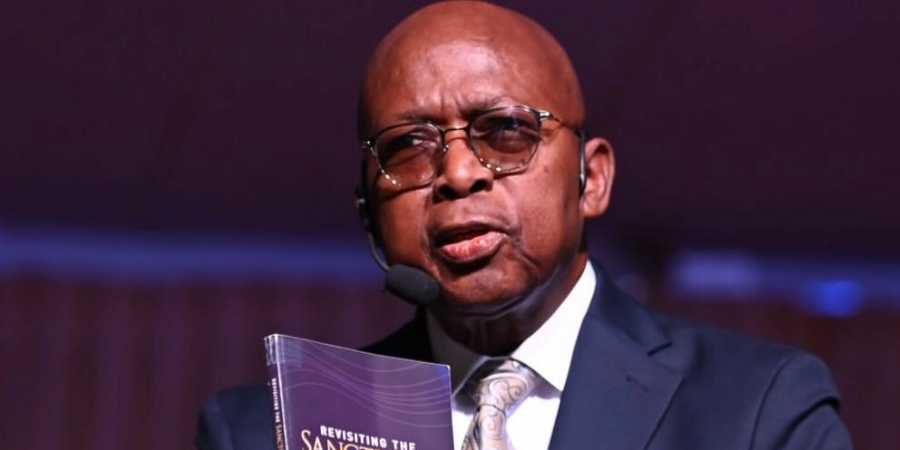
Walking into the auditorium, which took on the essence of a lecture hall for the weekend, the air was thick with anticipation. As part of USC’s centennial series, Dr. Roy Adams took the stage not just to teach, but to challenge and inspire. What unfolded over the past two days was less a lesson in doctrine and more a journey into the heart of the sanctuary message, its power, its purpose, and its profound relevance today.
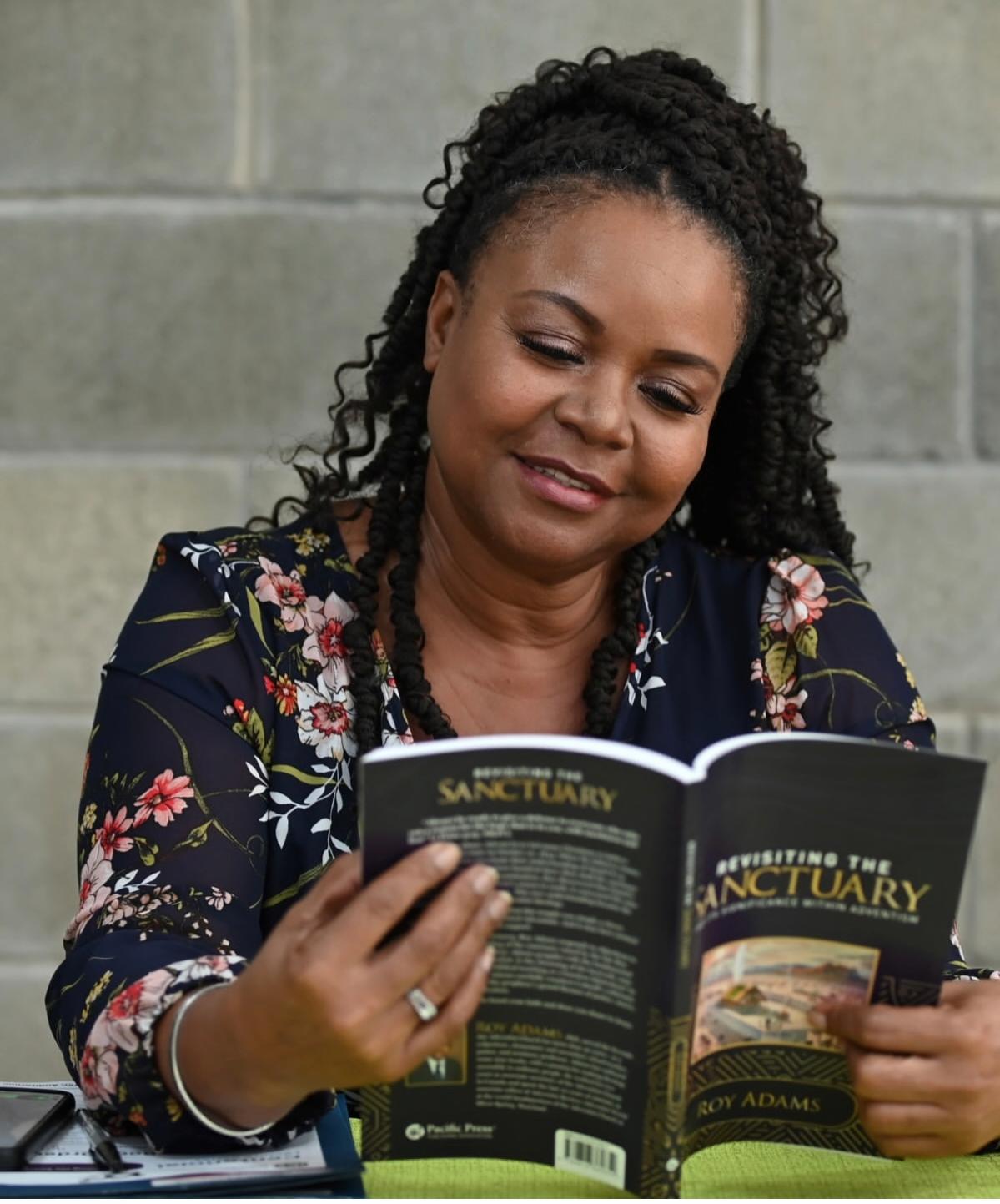
Dr. Adams invited the audience to see the sanctuary not as a static building or a collection of rituals, but as a living symbol of God’s governance, justice, and grace. “The sanctuary is where God is in charge,” he said, and in that simple statement a world of responsibility and possibility arose. The earthly sanctuary, he explained, serves as a pattern, a teaching tool for understanding salvation, but the heavenly sanctuary transcends mere replication. Its essence is action, mercy, ethical leadership, and compassion.
The sessions did not shy away from tough questions. Issues of systemic discrimination, gender equity, and ethical responsibility were brought to the forefront. Dr. Adams addressed them head-on, declaring,
“The pastor’s office should be the habitation of justice, and everyone should be treated with respect, made in the image of God.”
The message was clear, faith is inseparable from justice.
Throughout the weekend, questions from participants sparked deep and thoughtful dialogue. Dr. Adams encouraged reflection on how faith is lived out in the church and the world, emphasizing fairness, integrity, and service to others. He highlighted the importance of acting with justice, advocating for others, and embodying the principles of faith in practical ways. His responses encouraged attendees to see the sanctuary message not as abstract theology, but as a call to live ethically, compassionately, and responsibly.
The discussion also touched on the practical implications of living out the sanctuary message. Dr. Adams highlighted the importance of humanitarian work, community engagement, and personal acts of care, reminding the audience that true ministry is expressed through love, service, and ethical action.
By the end of the lecture series, it was evident that the sanctuary message is not just theological, it is practical, ethical, and transformative. It calls the Adventist community to live out God’s character in every interaction, every decision, and every act of service.