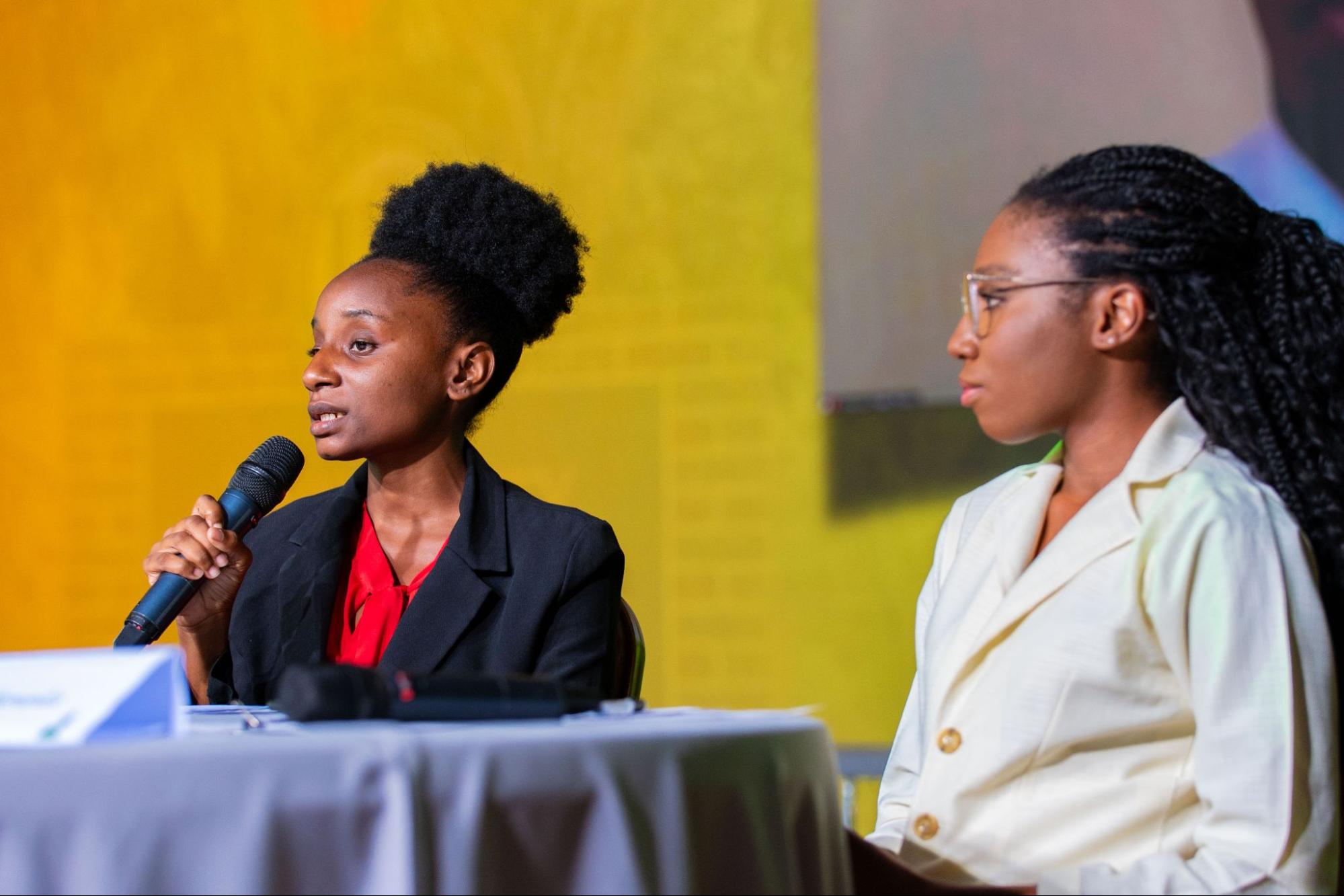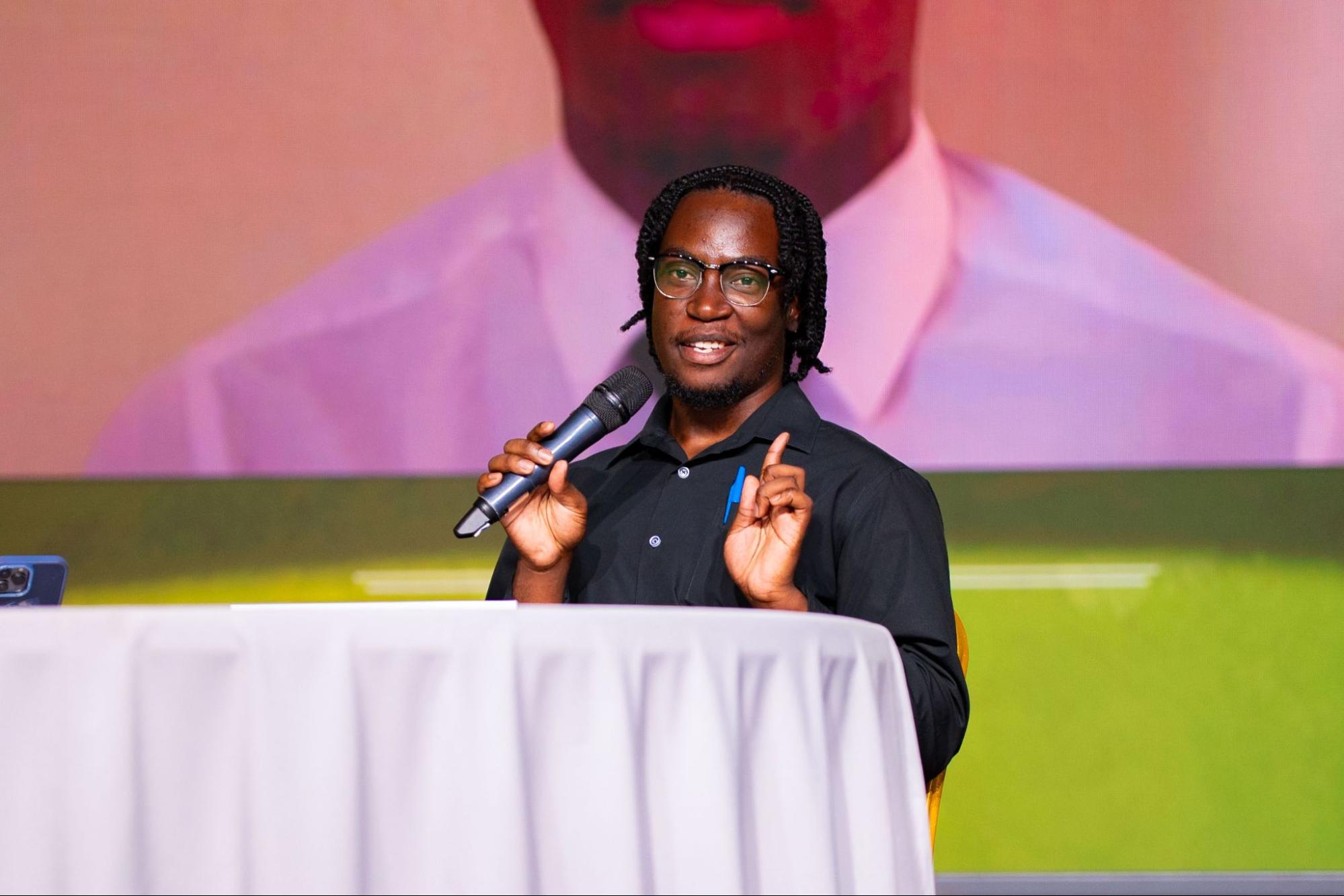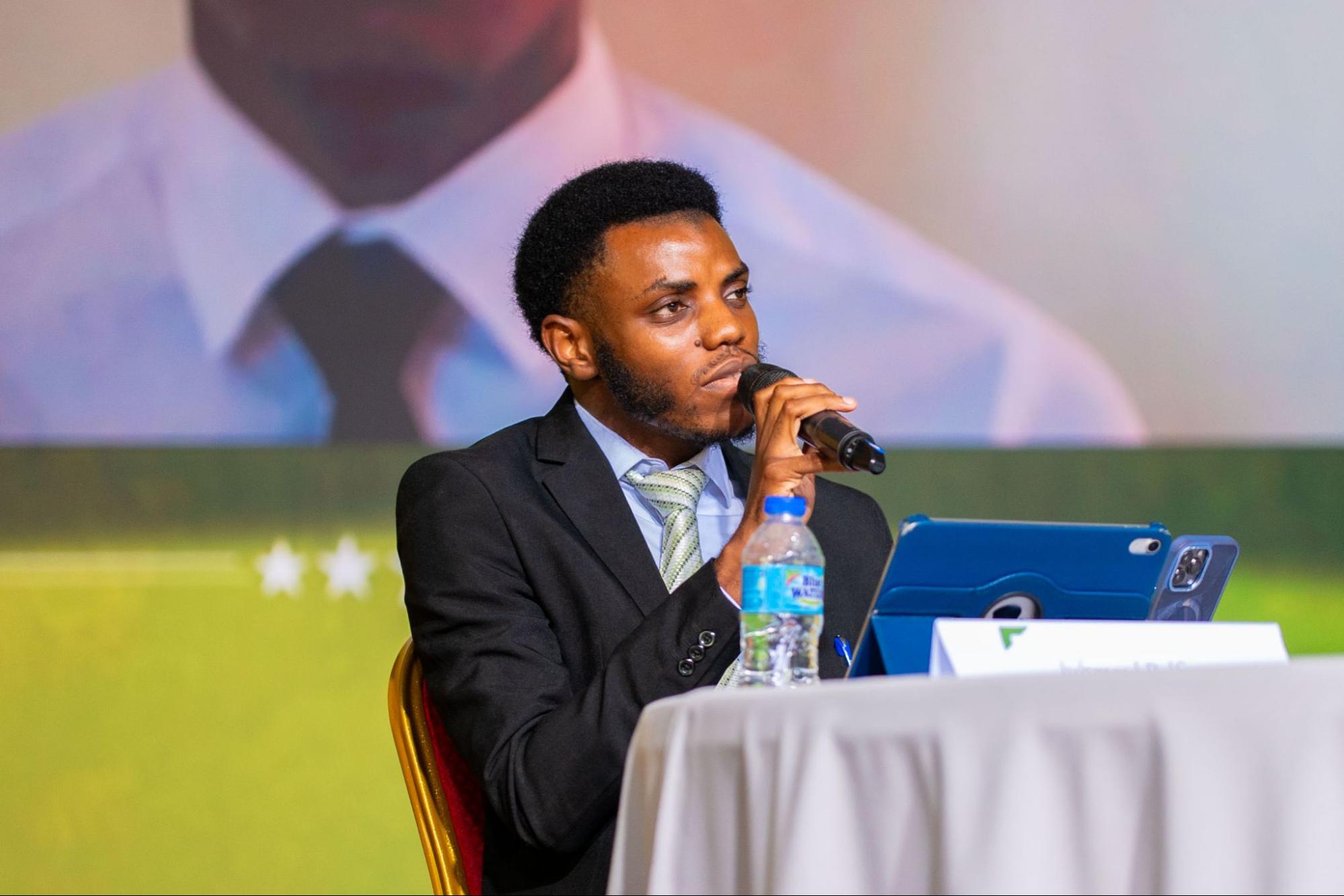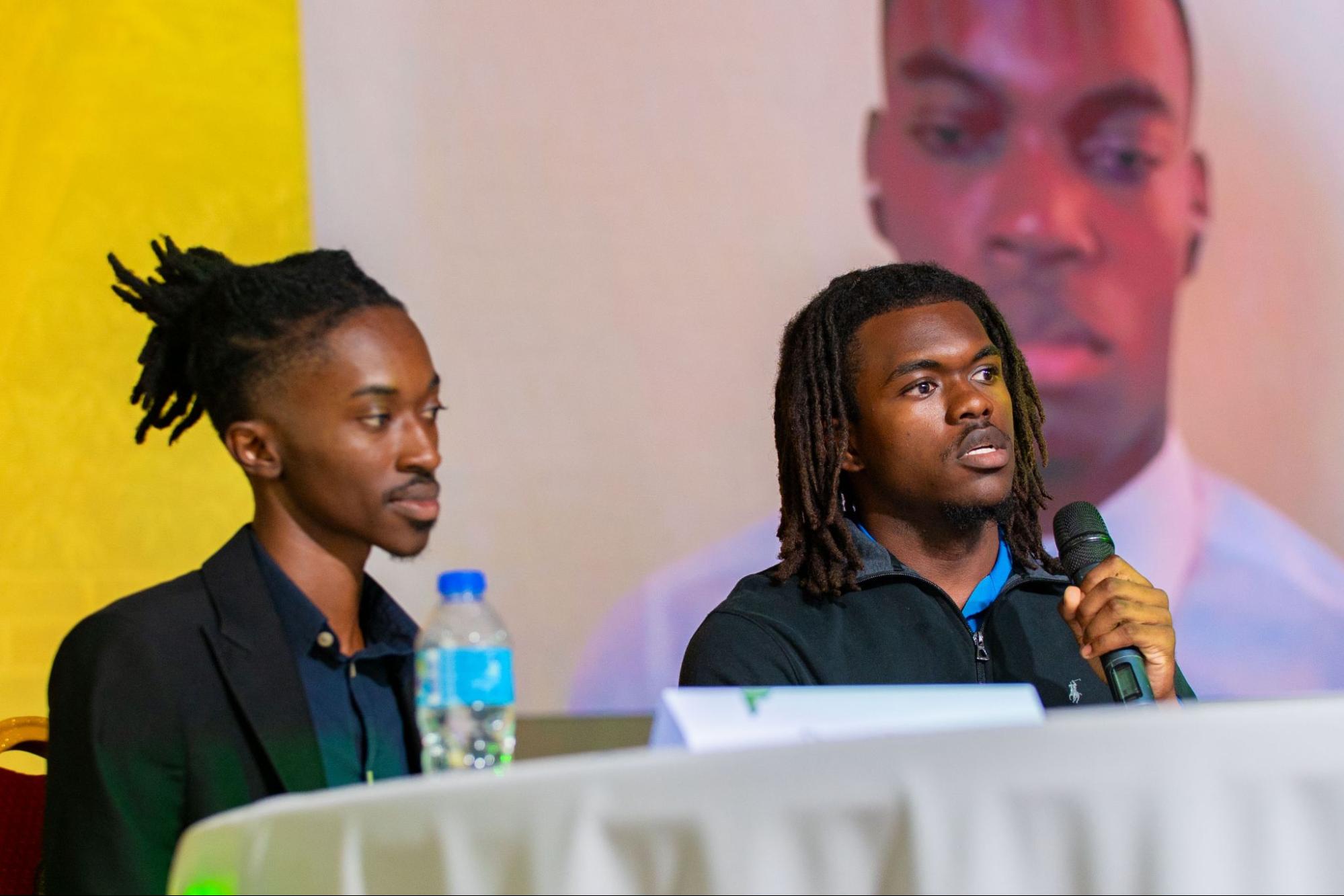
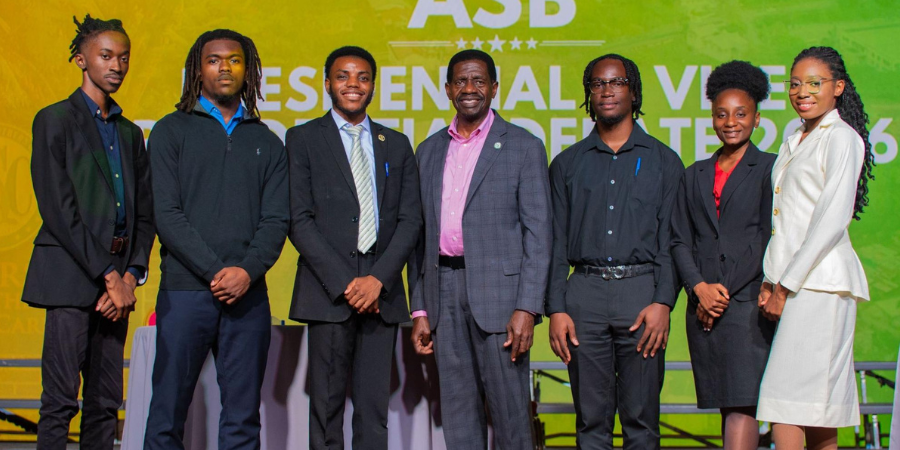
The Associated Student Body (ASB) Presidential and Vice-Presidential Debate, held on April 27th, 2026, brought the campus community together as candidates and students engaged in a pivotal exchange of ideas ahead of the upcoming elections. Hosted by the Student Advisory Council (SAC), the debate served as a critical platform for candidates to present their ideas and for students to evaluate who is best suited to lead. With participation both in person and online, the event reflected a growing culture of engagement, highlighted by the nearly 200 nominations submitted for this year’s elections.
With the Student Advisory Council (SAC) Chairman Vayani Toney moderating the event, the debate set a powerful tone from the onset, this was not simply about speeches or campaign slogans, but about whether the running candidates can meet the needs of the students they hope to govern. Students were urged to assess candidates based on their vision, leadership ability, character, and willingness to serve. The candidates, representing teams such as Impact, Rebuild, and S.P.E.A.R, as well as independent representations, brought diverse experiences and perspectives to the stage.
When asked what makes them effective leaders, candidates emphasized qualities such as proactivity, transparency, adaptability, and strong communication skills. Some pointed to their involvement in campus organizations, leadership training, and work experience, while others highlighted innovative contributions, including digital tools and platforms designed to improve student life. Despite different approaches, a common theme emerged: leadership must be rooted in service and accountability.
|
|
|
|
|
|
Throughout the debate, several key issues facing students were consistently raised. Communication gaps between the student body and administration stood out as one of the most pressing concerns, with many students expressing frustration over late announcements, unclear processes, and limited access to information. Closely tied to this was the difficulty new students face when navigating campus systems and resources. Infrastructure challenges, including transportation, campus facilities, and access to reliable spaces for studying and socializing, were also frequently mentioned.
Another significant concern was trust, some candidates acknowledged that students have grown skeptical of the ASB due to past experiences with unfulfilled promises and lack of follow-through. This recognition shaped many of the proposals presented, with candidates stressing the importance of realistic planning, transparency, and consistent communication.
Each team offered distinct solutions. Team Impact focused on improving campus life through infrastructure upgrades, inclusive events, and collaborative fundraising efforts with clubs. Team Rebuild emphasized strengthening relationships with the university administration and creating long-term initiatives such as entrepreneurship programs and student development opportunities. Team S.P.E.A.R leaned heavily into technology, proposing centralized digital platforms, automated processes, and data-driven strategies to improve efficiency and communication.
The debate also addressed the longstanding divide between commuting and dormitory students. Candidates agreed that the gap is real but differed in their approaches to solving it. Suggestions ranged from creating more inclusive events and improving communication to fostering collaboration between student groups and ensuring broader representation in campus activities. While some believed increased programming would help bridge the divide, others argued that deeper structural changes were necessary.
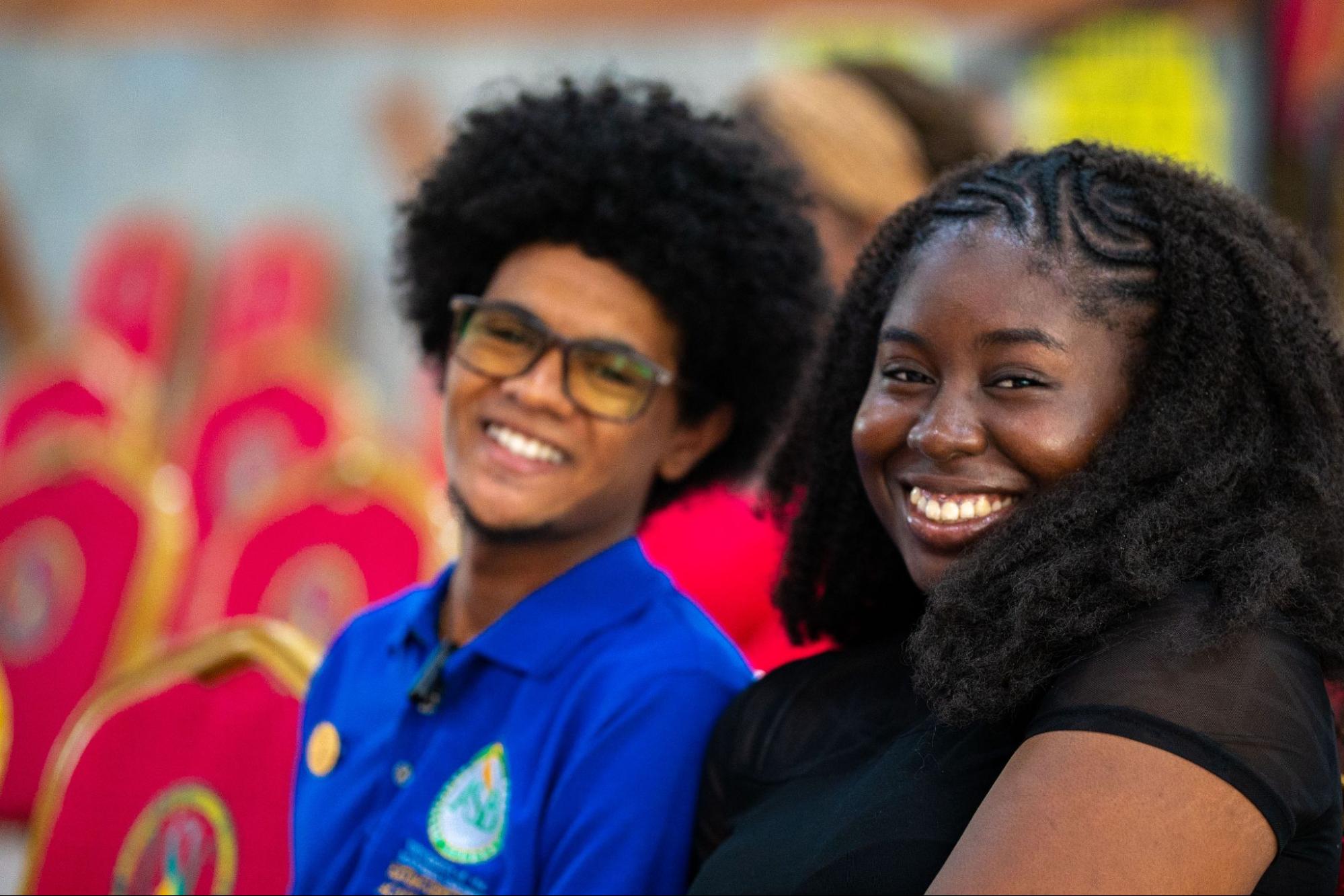
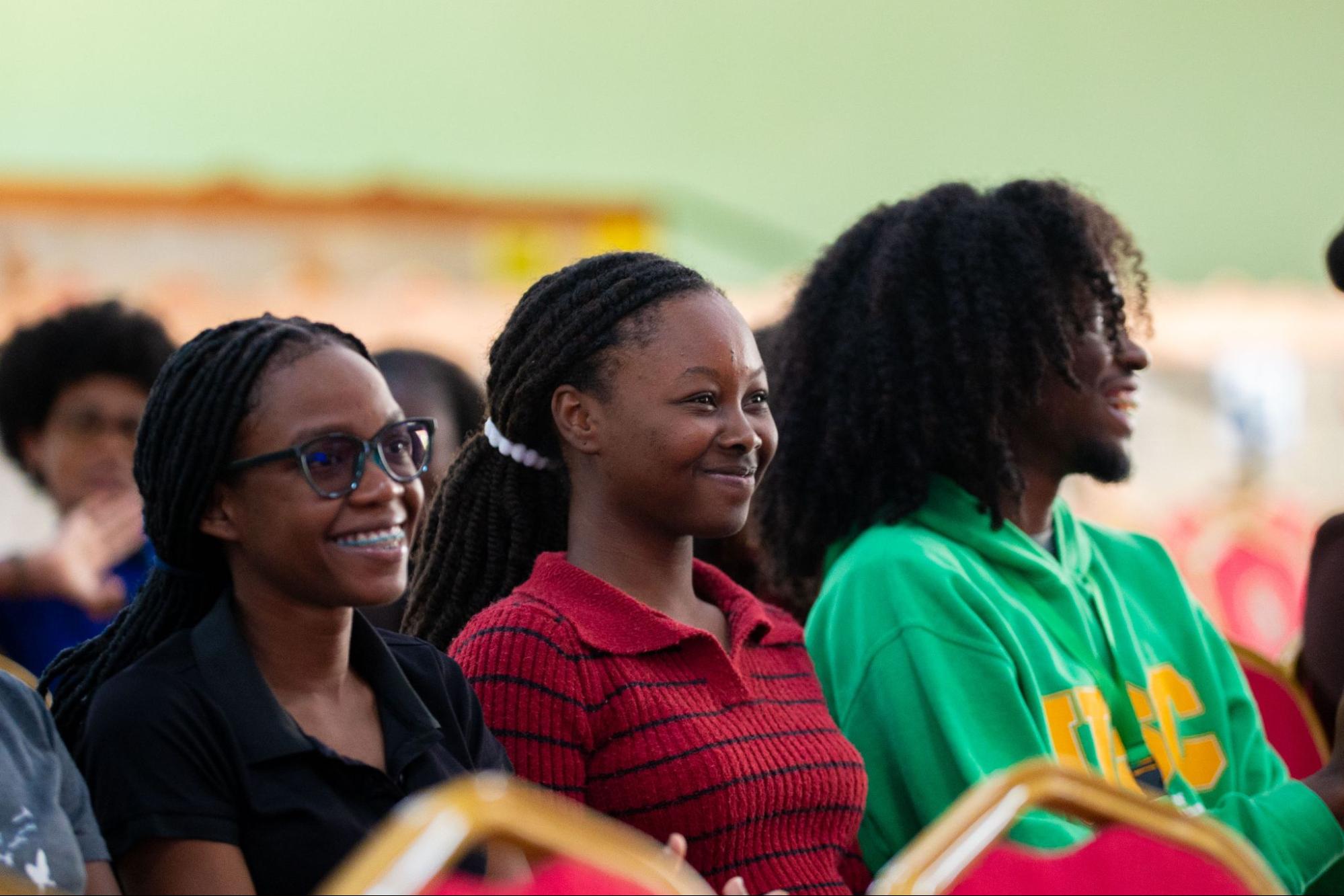
Students from the wider campus community gathered to hear the candidates’ manifestos and evaluate their leadership vision for 2026.
|
|
|
The crossfire segment added intensity to the discussion, as candidates questioned each other’s manifestos and feasibility. Concerns were raised about ambitious plans lacking clear funding, the challenge of implementing large-scale projects within an eight-month term, and whether new initiatives should complement or replace existing systems. Despite the sharper tone, the exchanges remained largely respectful and underscored the importance of critical thinking and accountability in leadership.
As the debate concluded, it became clear that students are looking beyond promises. They want leaders who can execute plans effectively, communicate openly, and deliver tangible improvements to campus life. With voting opening on April 30, 2026, the responsibility now shifts to the student body to make an informed decision. The ASB 2026 debate ultimately highlighted a student community that is engaged, thoughtful, and eager for meaningful change. Whether through innovation, collaboration, or reform, the next student leaders will be expected not only to envision a better campus, but to actively build it.