
Alarming statistics on non-communicable diseases globally raise serious concerns. For example, NCDs are associated with declines in productivity, economic burden, increased disability, and loss of human capital. In low- and middle-income countries, NCDs contribute to 73 percent of deaths (1). Heart diseases, cancers, chronic respiratory diseases, and diabetes account for the most deaths (1). Studies show that collaborative efforts among government, stakeholders, and communities to address modifiable behavioral risk factors (such as unhealthy diets, lack of physical activity, tobacco use, and alcohol consumption), metabolic risk factors (for example, hyperglycemia, hypercholesterolemia, elevated blood pressure, and overweight/obesity), and environmental pollution can yield significant health benefits for populations (1-4).
An examination of these devastating results indicates the need for continued training and development of students to serve as healthcare professionals in the Caribbean region. Given these critical factors, the University of the Southern Caribbean, Department of Nutrition and Dietetics, has engaged in the practical training of student dietitians to serve the region.
The progress of the university’s nutrition and dietetics program since its inception more than a decade ago has been significant. Our graduates have received Organization of American States (OAS) scholarships, completed graduate studies, completed the dietetics internship in the United States, and passed the Registration Examination for Dietitians. Moreover, more than 70 students are enrolled in the program, which is offered in two modalities, i.e., face-to-face and online. A unique component incorporated into the program is practical training (foodservice systems management, community nutrition, and medical nutrition therapy) that links theory and practice within the social and cultural contexts of the Caribbean region. Currently, the practicum sites span across territories that include Antigua and Barbuda, Barbados, Grenada, Saint Kitts and Nevis (specifically on the island of Nevis), Saint Lucia, Saint Vincent and the Grenadines, and Trinidad and Tobago. These opportunities not only enhance the marketability and employability of graduates but also help meet the goals of improving allied healthcare services for the prevention and management of diseases within communities. The alumni are employed in various sectors as community nutrition officers, dietitians, foodservice systems management professionals, private nutrition consultants (entrepreneurs), and adjunct faculty.
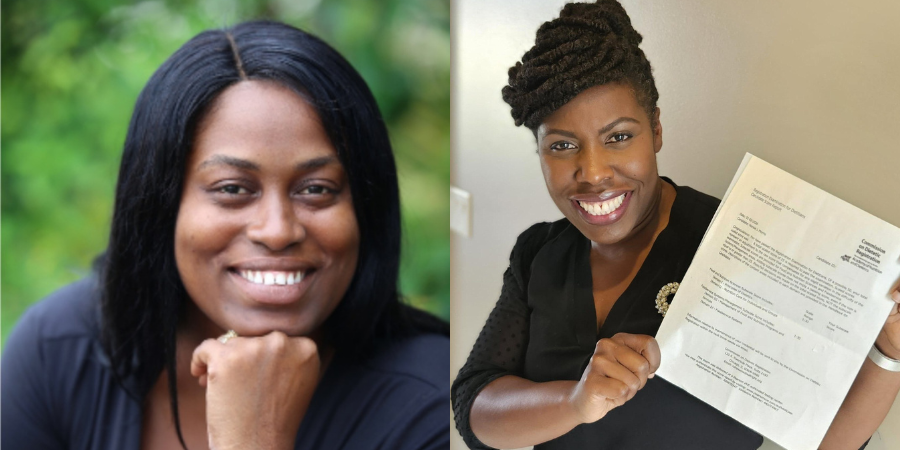
Just to highlight a few of our recent graduates, Summer Gentle-Gillis, a recipient of the GOAL scholarship from the Government of the Republic of Guyana, graduated in December 2025 with a BS in Nutrition and Dietetics. She is now employed as a community nutritionist in the Division of Food Policy. During her undergraduate studies, she completed supervised practicum training in Guyana and Saint Lucia. Additionally, Neosie Morris passed the Registration Dietitians Examination in January 2026. While an undergraduate, Neosie completed supervised practical training in Barbados, Grenada, and Trinidad and Tobago, as well as a dietetic internship at Oakwood University.
Overall, the USC Graduates in Nutrition and Dietetics continue to be outstanding ambassadors of the program and can be seen as agents of change. The supervised training within the program promotes creativity, innovation, organization and management, and community engagement. With this in mind, the Department of Family and Consumer Sciences applauds their efforts and encourages continued professional development and specialization in the field.
References