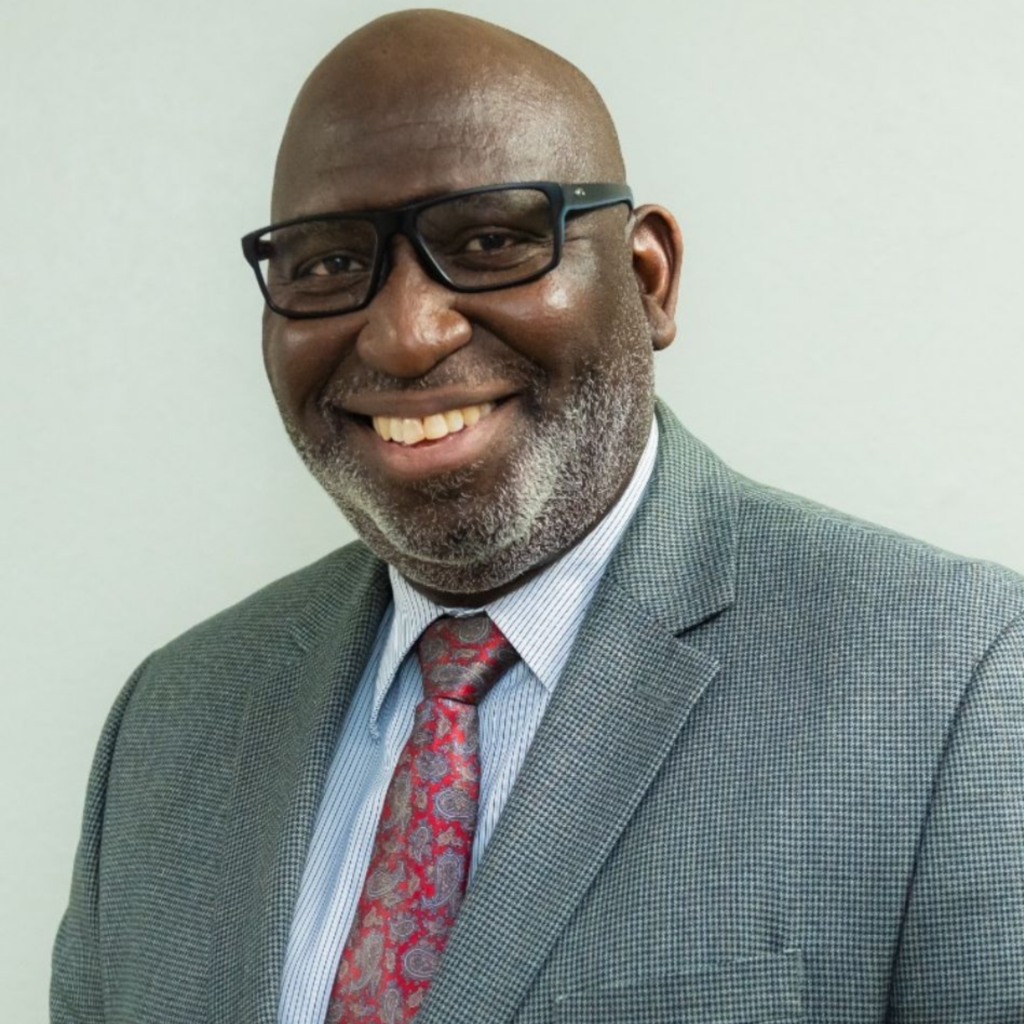
Leadership, in many cases, begins with a decision. In Texas, it began with a sense of obligation. “I didn’t say yes initially,” Pastor Floyd Johnson (’88) admits. “I was co-opted.” It is a remark delivered lightly, almost humorously. But behind it lies something more enduring, a quiet understanding that the institution that shaped you eventually calls you back, not necessarily by invitation, but by responsibility.
Today, as President of the University of the Southern Caribbean (USC) Texas Alumni Chapter, Johnson stands at the center of a leadership team tasked with building what had long remained unrealized: a functioning, connected alumni community in one of the largest states in the United States.
Long before leadership, there was formation. Johnson’s journey to Caribbean Union College (CUC), now USC, began in 1983, when he left Guyana as part of a wave of students seeking opportunity beyond their borders. He graduated in 1988 with a degree in theology, carrying with him not just academic training, but lessons forged through necessity.
“I didn’t even have CUC money,” he recalls. “You had to work. You had to find a way.” He did just that—working across campus in janitorial services, on the farm, and in the cafeteria. The work was not always easy, nor familiar. But it was formative.
“You learn perseverance,” he says. “You learn to do things you weren’t accustomed to doing—and to keep going.” Those lessons would follow him into ministry, and later into social work, where he now serves as a liver transplant social worker in Texas. Yet the foundation remains the same.
“CUC gave me a start,” he reflects. “It helped make some of our dreams come through. I will always be indebted.”
Called Back to Serve
When the Texas Alumni Chapter was reconfigured in May 2024, Johnson did not initially seek its highest office. He agreed to serve as vice president. The presidency, however, found him. What might have begun as circumstance has since become commitment. “I think we have a duty to stay connected,” he says. “And to give back.” That philosophy now shapes the chapter’s direction—one grounded not in position, but in purpose.
A Collective Effort
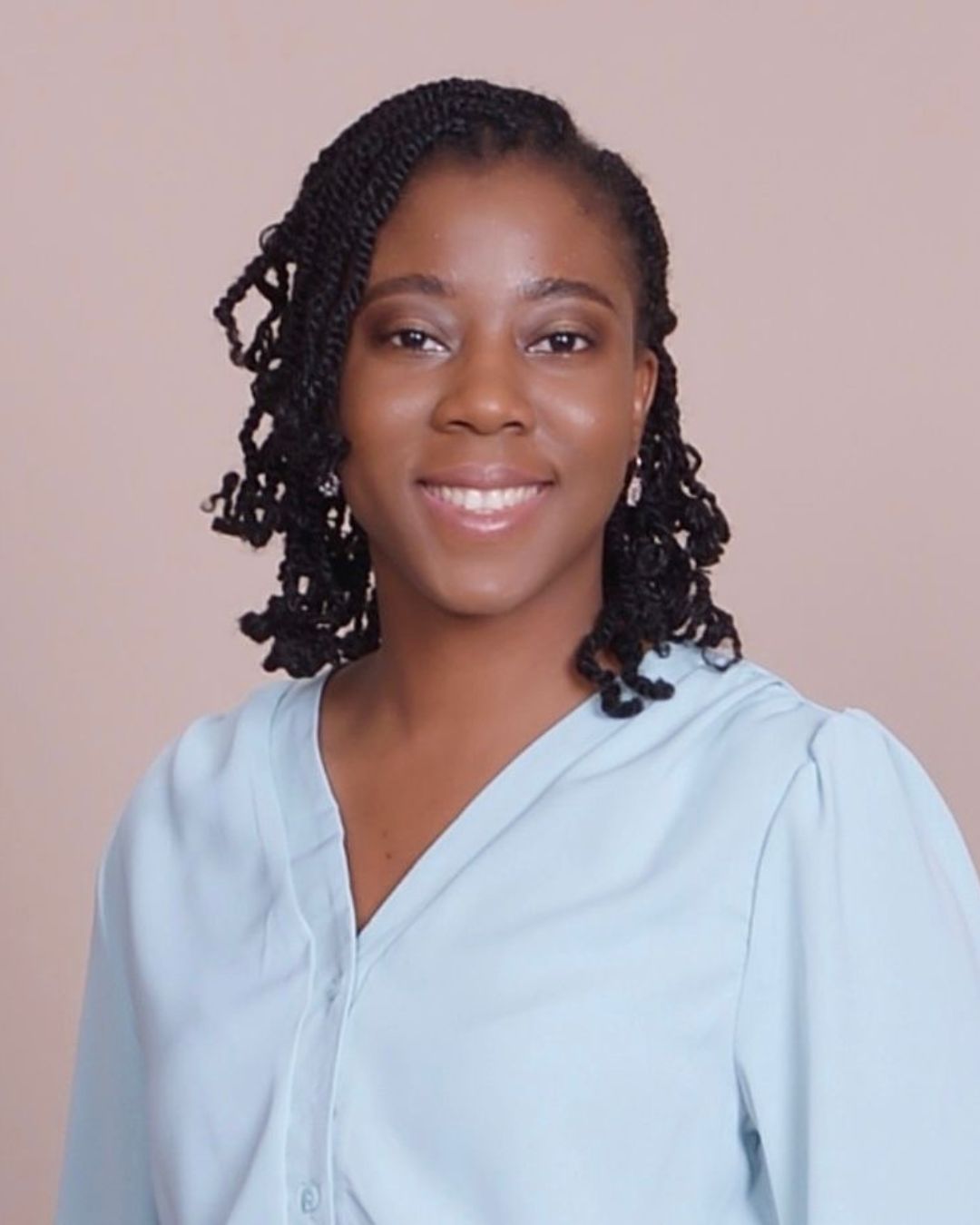
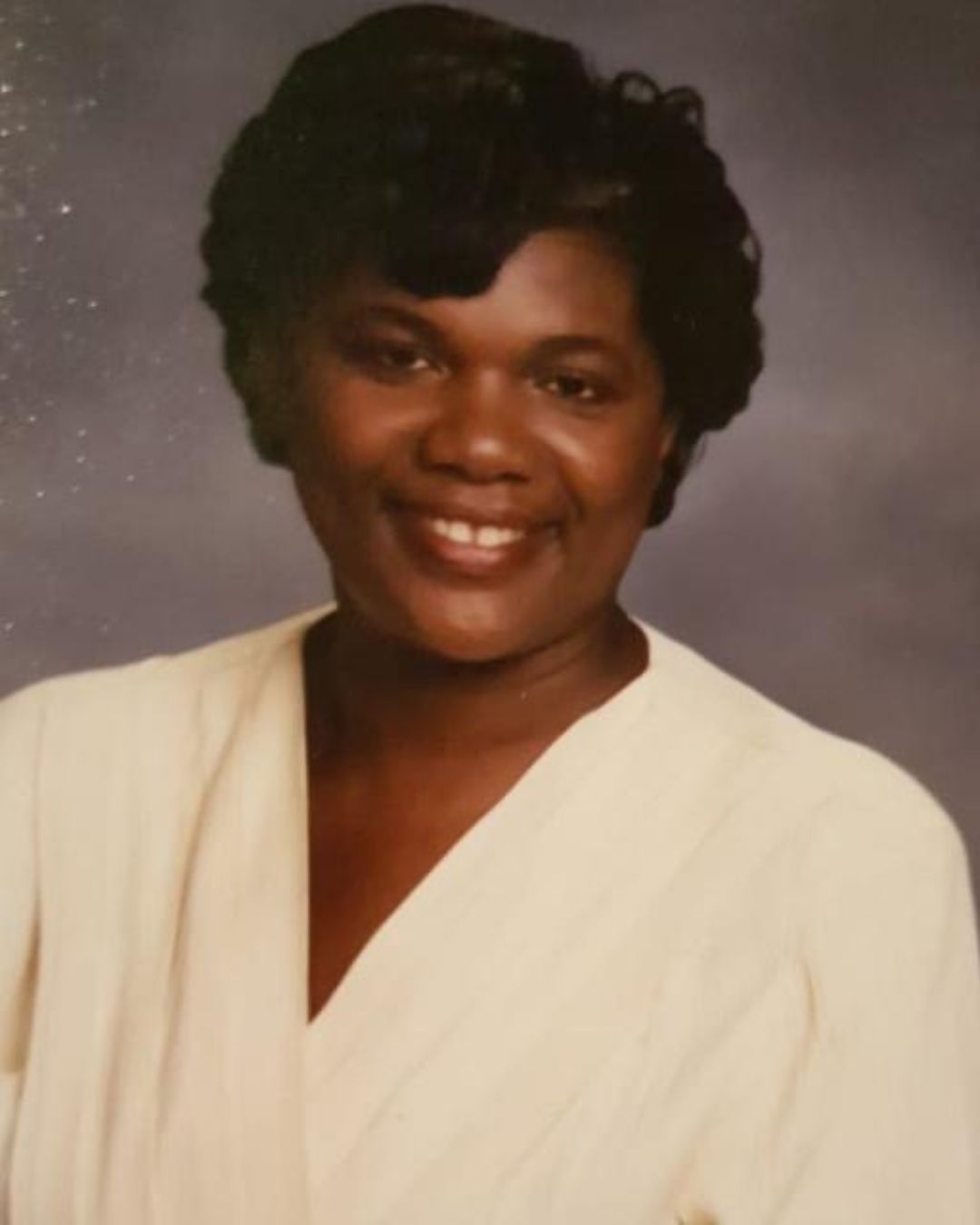
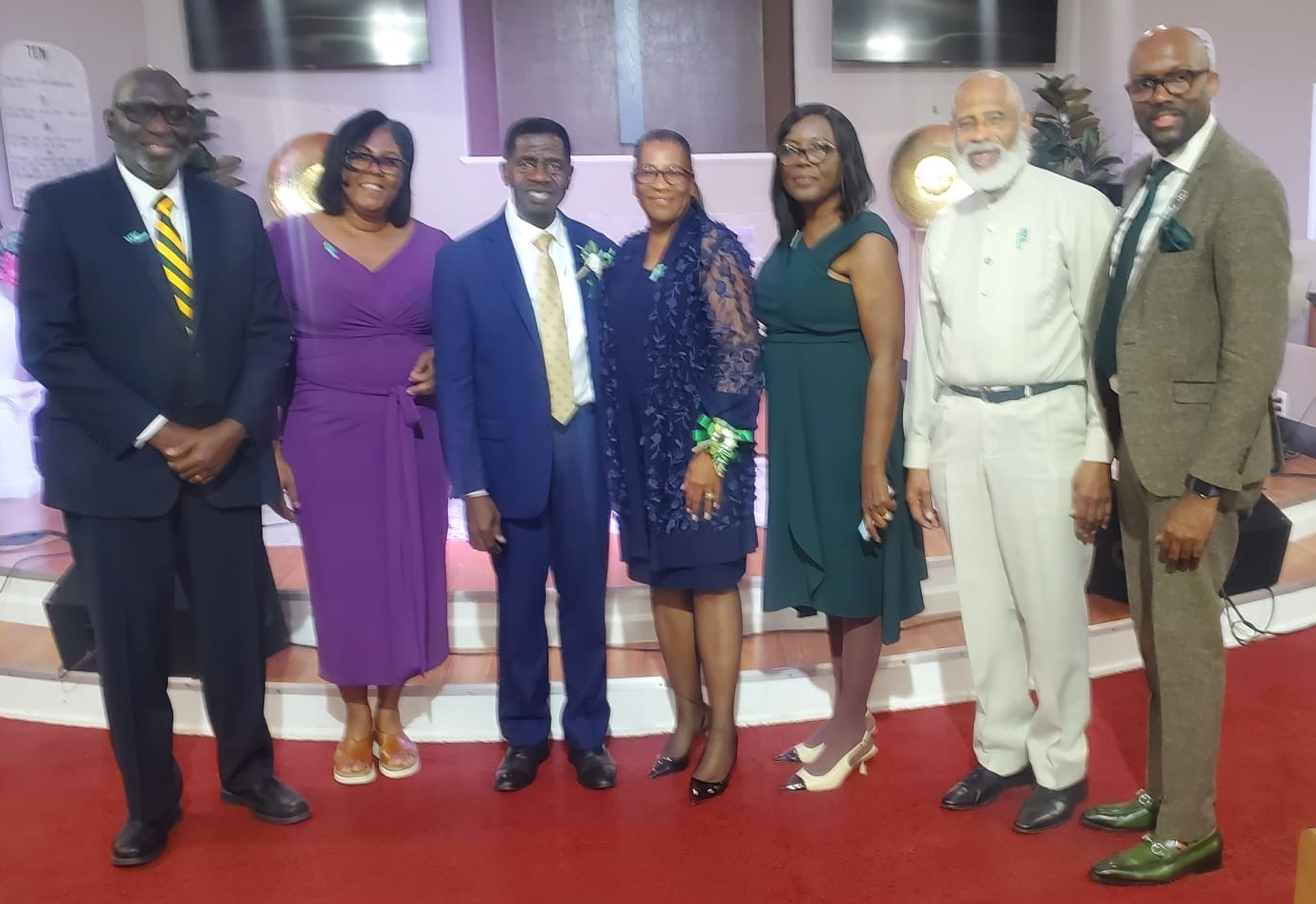
If Johnson provides direction, the strength of the chapter lies in its collective leadership. The executive team reflects a broad cross-section of USC’s history, graduates spanning decades, disciplines, and professional paths:
|
|
|
Together, they represent more than roles. They represent continuity. “This is a diverse team,” Johnson says. “You have individuals from the ’70s, the ’80s, the ’90s, the 2000s. That mix matters.”
Bridging Generations
In many ways, the work of the Texas Chapter is generational. It is about bringing together alumni who experienced the institution under different names, different leadership, different eras—and helping them recognize a shared identity.
“Younger members bring a different energy,” Johnson notes. “They engage with technology differently. They see things differently. And that strengthens the team.”
At the same time, those who came earlier bring something equally vital: memory, context, and a deep-rooted understanding of the institution’s evolution. The result is not tension, but balance.
Leadership as Stewardship
For Johnson and his team, leadership is less about building something new than about restoring something that should have always existed. A functioning chapter. A connected alumni base. A collective voice.
“A healthy alumni association allows us to maintain connection,” he says. “But more importantly, it allows us to coordinate our efforts to give back—in tangible ways.”
That giving has already begun—through fundraising initiatives supporting scholarships and the university’s centennial efforts, and through renewed engagement with the institution’s leadership and vision.
Looking Ahead
As USC approaches its centennial in 2027, the Texas Chapter is positioning itself not as an observer, but as a participant. Plans are already taking shape—continued engagement, sustained giving, and, for many, a return to Trinidad for the milestone celebration. “I was there for the 90th,” Johnson says. “By God’s grace, I want to be there for the 100th.”
More Than Leadership
In the end, what is emerging in Texas is not simply an organizational structure. It is a restoration of connection—between alumni and institution, between past and present, between what was and what is still possible.
For Johnson, that work is deeply personal. For the executive team, it is shared. And for the chapter, still finding its rhythm, it is just beginning. “We’re building,” he says. “And we’re moving forward—together.”